Author: admin

  • Why you should never trade without a plan?

    Why you should never trade without a plan?

    Introduction

    Have you ever entered a crypto trade because the price was rising quickly, only to feel confused when the market suddenly moved in the opposite direction?

    This can happen when traders make decisions without a clear plan. Crypto markets can move rapidly, and emotions such as fear, greed, and excitement can influence trading decisions.

    A trading plan helps you decide what you want to achieve, when to enter or exit a trade, how much to risk, and how to respond when the market changes.

    Although a trading plan cannot guarantee profits, it can help you make more consistent decisions and manage risk more carefully.

    Let’s explore why every trader should develop a plan before placing a trade.

    What Is a Trading Plan?

    A trading plan is a set of rules that guides your trading decisions.

    It defines your objectives, entry and exit conditions, position size, acceptable loss, and method for reviewing your results.

    Instead of reacting to every market movement, you follow predefined rules that reflect your strategy and risk tolerance.

    For example, before buying a cryptocurrency, you might decide:

    • Why the trade fits your strategy.
    • At what price or under what conditions you will enter.
    • When you will exit if the trade moves in your favour.
    • When you will exit if the trade moves against you.
    • How much money you are willing to risk.
    • How you will evaluate the trade afterwards.

    As a result, you have a clearer framework for making decisions before emotions take over.

    Why Should You Never Trade Without a Plan?

    Trading without a plan can lead to inconsistent decisions and unnecessary risk. Here are some important reasons to prepare one before entering the market.

    1. It Helps You Control Emotions

    Crypto prices can rise or fall quickly. When prices surge, you may feel pressured to buy immediately. Similarly, when prices drop, fear may push you to sell without considering your original strategy.

    A trading plan gives you predefined rules to follow.

    For example, if a coin rises sharply, your plan can help you assess whether the trade still meets your entry conditions instead of buying simply because you fear missing out.

    Therefore, planning can help you respond more thoughtfully to market movements.

    2. It Defines Your Entry and Exit Rules

    Without clear entry and exit rules, you may enter trades impulsively or hold losing positions longer than intended.

    A trading plan defines the conditions that must exist before you enter a trade. It also identifies when you will take profits or exit if the trade no longer meets your expectations.

    For instance, you might decide to enter only after a specific price pattern appears and exit if the market breaks your predefined risk limit.

    However, remember that market conditions can change, and actual execution prices may differ from your expectations.

    3. It Helps You Manage Risk

    Every trade carries risk. A trading plan helps you decide how much exposure you can accept before committing your money.

    For example, you could set a maximum amount that you are prepared to lose on an individual trade. You can then use that limit to calculate an appropriate position size.

    This approach helps prevent a single trade from exposing too much of your trading capital.

    However, a planned loss limit does not guarantee that your final loss will stay within that amount. Fast market movements, gaps in liquidity, and execution issues can affect the outcome.

    4. It Reduces Impulsive Trading

    Impulsive trading happens when you make decisions without following a consistent process.

    For example, after losing a trade, you might immediately enter another position to recover your money. Traders often call this behaviour revenge trading.

    A trading plan can help you establish rules for taking a break after losses or stopping when you reach a daily loss limit.

    Consequently, you can avoid making additional decisions simply to recover previous losses.

    5. It Makes Your Results Easier to Review

    A trading plan gives you a consistent basis for evaluating your performance.

    After each trade, record your entry, exit, position size, reason for entering, and final result. Then compare your actions with your original plan.

    Over time, this process can help you identify recurring mistakes and understand which parts of your strategy need improvement.

    Nevertheless, a few successful trades do not prove that a strategy will remain profitable. Review enough information before drawing conclusions.

    What Should a Trading Plan Include?

    A useful trading plan should cover the following elements.

    1. Trading Objectives

    Start by defining your objective.

    Are you practising a strategy, learning how orders work, or following a specific trading approach? Clear objectives help you determine which actions fit your plan.

    Avoid setting unrealistic profit targets simply because you want quick results.

    2. Entry Conditions

    Specify the conditions that must exist before you enter a trade.

    For example, you might use a particular chart pattern, price level, or combination of indicators. Define your criteria in advance so you do not change them merely because the market moves quickly.

    3. Exit Conditions

    Decide when you will close a position.

    Your plan should cover both favourable and unfavourable outcomes. For example, you might define a target for taking profits and a condition for exiting when the trade moves against you.

    However, no exit method can guarantee a particular execution price.

    4. Position Sizing

    Position sizing determines how much of an asset you buy or sell in a trade.

    Your position size should reflect your risk limit, the distance to your planned exit level, and your available trading capital.

    For example, a trader with a small acceptable loss per trade generally needs a smaller position when the distance to the stop-loss level is larger.

    5. Maximum Acceptable Loss

    Decide how much you can afford to lose on an individual trade and when you will stop trading for a session or day.

    These limits can help you avoid taking excessive risks after a series of losses.

    Importantly, never risk money you need for essential expenses.

    6. Review Criteria

    Decide how you will evaluate your trades.

    Keep a trading journal and record whether you followed your plan, what happened, and what you learned. Review your results regularly rather than changing your strategy after every small loss.

    A Simple Example of a Trading Plan

    Imagine a trader has ₹20,000 set aside as trading capital.

    Before entering a hypothetical trade, the trader creates these rules:

    Plan elementExample decision
    Trading objectiveFollow a predefined short-term strategy
    Entry conditionEnter only when the selected setup appears
    Planned entry price₹100 per unit
    Planned exit if wrong₹95 per unit
    Maximum planned loss₹200, before fees and slippage
    Position size40 units
    Review methodRecord the outcome and check whether the rules were followed

    The planned loss is ₹5 per unit. With 40 units, the loss would be ₹200 if the trader exits at ₹95 and the order executes at that price.

    However, actual losses could be higher because fees and slippage affect execution. A stop-loss order also does not guarantee execution at its trigger price.

    This example illustrates how traders can connect position sizing with a predefined risk limit. It does not guarantee a successful trade.

    Common Trading Plan Mistakes

    Setting unrealistic profit targets: Unrealistic expectations can encourage unnecessary risk-taking.

    Changing rules during every trade: Constantly abandoning your plan makes it harder to evaluate your strategy consistently.

    Ignoring position sizing: Even a well-researched trade can create excessive risk if the position is too large.

    Trading to recover losses: Increasing risk after a loss can make an already difficult situation worse.

    Failing to review results: Without reviewing your decisions, you may repeat the same mistakes.

    Assuming a plan guarantees profits: A plan supports discipline and risk management, but it cannot eliminate market risk.

    FAQs

    What is a trading plan?

    A trading plan is a set of rules that guides when you enter and exit trades, how much you trade, how you manage risk, and how you review your results.

    Can a trading plan guarantee profits?

    No. Markets remain unpredictable, and even a carefully prepared plan can result in losses. A plan helps structure decisions and manage risk rather than guarantee returns.

    Why is risk management important in crypto trading?

    Crypto markets can experience rapid price movements. Risk management helps traders decide how much exposure they can accept and how to respond when trades move against them.

    Should beginners create a trading plan?

    Yes. A clear plan can help beginners practise consistent decision-making, understand risk, and avoid impulsive trades. Beginners can also practise with simulated trades before risking real money.

    What is the difference between a trading strategy and a trading plan?

    A trading strategy describes the conditions or methods used to identify trades. A trading plan is broader: it includes the strategy along with position sizing, risk limits, entry and exit rules, and performance reviews.

    Disclaimer

    This article is for educational purposes only and does not provide financial or investment advice. Cryptocurrency trading involves substantial risk, and losses can exceed planned limits under certain market conditions. Always understand the risks before trading.

  • What is Inflation? A Beginner’s Guide

    What is Inflation? A Beginner’s Guide

    Introduction

    Have you noticed that groceries, transportation, and everyday essentials sometimes cost more than they did a few years ago? One reason could be inflation.

    Inflation is a sustained rise in the general price level of goods and services over time. As prices increase, the same amount of money buys fewer goods and services. In other words, inflation reduces the purchasing power of money when income or savings do not keep pace.

    For example, if you could buy a basket of groceries for ₹1,000 last year but need ₹1,080 for a similar basket today, the cost has increased by 8%.

    However, individual prices can rise or fall for different reasons. Inflation refers to a broader increase across the economy, rather than a price increase in just one product.

    Let’s explore how inflation works, what causes it, and why it matters for your savings and investments.

    What Is Inflation in Simple Words?

    It means that prices across an economy generally rise over a period of time.

    As a result, money loses some of its purchasing power. You may need more money to buy the same goods and services than you needed before.

    For example, imagine you have ₹500 to spend on everyday essentials. If their prices rise over time, that ₹500 may no longer cover the same shopping list.

    Therefore, inflation affects how far your money can go, even when the amount in your wallet remains unchanged.

    How does Inflation Work?

    It changes the relationship between money and the goods or services you can buy.

    Consider this simple example:

    YearCost of a grocery basket
    Year 1₹1,000
    Year 2₹1,050
    Year 3₹1,100

    In this example, the same grocery basket costs more each year.

    If your income stays the same while prices increase, you may need to reduce your spending or adjust your budget. Similarly, if your savings earn a lower return than the inflation rate, their purchasing power can decline over time.

    However, wages and investment returns can also rise. The impact on each person depends on their income, expenses, savings, and financial circumstances.

    What Causes Inflation?

    It can occur for several reasons. Economists often group its causes into a few broad categories.

    1. Demand-Pull Inflation

    It occurs when demand for goods and services grows faster than the economy can supply them.

    For example, imagine many people want to buy cars at the same time, but manufacturers cannot produce enough cars to meet demand. Sellers may raise prices as buyers compete for limited supply.

    As a result, strong demand can push prices upward.

    2. Cost-Push Inflation

    It occurs when businesses face higher production costs and pass some of those increases on to customers.

    For example, a rise in fuel, electricity, raw material, or transportation costs can make products more expensive to produce and deliver.

    Consequently, businesses may increase prices to cover their higher expenses.

    3. Supply Disruptions

    Supply disruptions can also contribute to inflation.

    For instance, severe weather, transport problems, or shortages of essential materials may reduce the supply of certain products. If demand remains strong, prices may rise.

    However, a price increase in one product does not automatically mean the whole economy is experiencing inflation.

    4. Expectations About Future Prices

    People’s expectations can influence economic behaviour.

    If businesses expect their costs to rise, they may increase prices in advance. Similarly, workers may seek higher wages when they expect living costs to increase.

    These changes can contribute to continued price increases, depending on wider economic conditions.

    How Is Inflation Measured?

    Economists use price indexes to measure changes in the cost of goods and services over time.

    One common measure is the Consumer Price Index (CPI).

    The CPI tracks the prices of a selected basket of consumer goods and services. Depending on the country, this basket may include food, housing-related expenses, transport, healthcare, and other everyday costs.

    Economists then compare the index across different periods to calculate the inflation rate.

    For example, if a price index rises from 100 to 105 over a year, the measured increase is 5%.

    However, the official inflation rate may differ from your personal experience. Your spending habits may differ from those represented by the index.

    How Does Inflation Affect Your Money?

    It can affect your daily life and long-term financial plans in several ways.

    1. Purchasing Power

    When prices rise, the same amount of money buys fewer goods and services.

    For example, if your monthly budget stays unchanged while food and transport costs increase, you may have less money available for other expenses.

    2. Savings

    Money held in a savings account may lose purchasing power when its interest rate falls below inflation.

    Suppose your savings earn 3% interest over a year while inflation runs at 5%. Although your account balance grows, your money’s purchasing power may decline.

    Therefore, consider both the interest you earn and changes in the cost of living when evaluating your savings.

    3. Borrowing Costs

    It can influence interest rates, although the relationship is not automatic.

    Central banks may adjust policy rates in response to inflation and other economic conditions. These decisions can affect borrowing costs for households and businesses.

    As a result, some loans may become more expensive when lenders raise interest rates.

    4. Investments

    It can affect different investments in different ways.

    For example, rising prices and interest rates can influence bond prices, company costs, and stock valuations. The impact depends on the type of investment and wider market conditions.

    Therefore, no single investment automatically protects you from inflation.

    Inflation vs Deflation

    Inflation and deflation describe opposite movements in the general price level.

    FeatureInflationDeflation
    MeaningGeneral price level risesGeneral price level falls
    Purchasing powerGenerally decreases per unit of moneyGenerally increases per unit of money
    Possible causesStrong demand, rising costs, or supply constraintsWeak demand or other economic pressures
    Potential concernMoney may buy less over timeFalling prices may accompany reduced spending and economic activity

    Although lower prices may sound beneficial, widespread and sustained deflation can create economic challenges. For example, consumers may delay purchases if they expect prices to fall further, which can weaken demand.

    How Can You Manage Inflation in Your Financial Planning?

    You cannot control the overall inflation rate, but you can make thoughtful financial decisions.

    Track your spending: Review your expenses regularly to identify where prices have increased.

    Build a budget: Prioritise essential expenses and adjust your spending when necessary.

    Maintain emergency savings: Keep accessible funds for unexpected costs, while considering how inflation affects their purchasing power.

    Understand investment returns: Compare potential returns with inflation, fees, taxes, and risk. Remember that investment returns are not guaranteed.

    Review financial goals: Revisit your savings targets as living costs change.

    Most importantly, choose financial products based on your needs, time horizon, and risk tolerance rather than assuming any asset will always outperform inflation.

    Common Beginner Mistakes

    Confusing one price increase with inflation: It refers to a broad rise in prices, not just an increase in one product.

    Ignoring purchasing power: A higher account balance does not necessarily mean you can buy more.

    Assuming wages always rise with prices: Income may increase, stay unchanged, or fall behind inflation.

    Believing inflation affects everyone equally: Different households spend money on different goods and services, so their personal experience can vary.

    Assuming investments always beat inflation: Every investment carries its own risks, and returns can fall below inflation.

    FAQs

    What is inflation in simple words?

    It means that prices across the economy generally rise over time, so the same amount of money buys fewer goods and services.

    What is the main cause of inflation?

    There is no single cause in every situation. Strong demand, higher production costs, supply disruptions, and expectations about future prices can all contribute.

    Is inflation always bad?

    Not necessarily. Low and stable inflation can accompany a growing economy. However, rapid or unpredictable inflation can make budgeting and financial planning more difficult.

    How does inflation affect savings?

    If your savings earn a lower return than the inflation rate, their purchasing power can decline, even when the account balance increases.

    What is the difference between inflation and deflation?

    It refers to a general rise in prices, while deflation refers to a general fall in prices over time.

    Disclaimer

    This article is for educational purposes only and does not provide financial or investment advice. Inflation rates, economic conditions, and investment returns vary. Consider your individual circumstances when making financial decisions.

  • What is the Bid-Ask Spread in Crypto Trading?

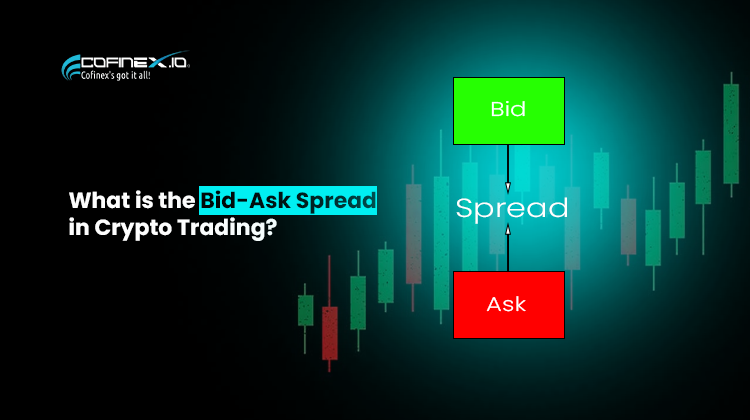
    What is the Bid-Ask Spread in Crypto Trading?

    Introduction

    When you buy or sell cryptocurrency, the price you see on a trading platform may differ depending on whether you want to buy or sell. This difference relates to an important trading concept called the bid-ask spread.

    The bid is the highest price a buyer currently offers to pay for an asset. In contrast, the ask is the lowest price a seller currently accepts.

    The difference between these two prices is the bid-ask spread. It helps traders understand market liquidity and one of the costs involved in trading.

    Let’s explore how the bid-ask spread works, why it matters, and how you can interpret it as a beginner.

    What Is the Bid-Ask Spread?

    The bid-ask spread is the difference between the highest displayed buying price and the lowest displayed selling price for an asset.

    • Bid price: The highest price a buyer currently offers.
    • Ask price: The lowest price a seller currently requests.
    • Bid-ask spread: The difference between the ask price and the bid price.

    For example, suppose a crypto trading pair displays the following prices:

    • Bid price: ₹99,900
    • Ask price: ₹100,000

    The spread is ₹100.

    This means the lowest displayed selling price is ₹100 higher than the highest displayed buying price.

    However, these prices can change as traders place, modify, or cancel orders.

    How Do You Calculate the Bid-Ask Spread?

    You can calculate the bid-ask spread using a simple formula:

    Bid-ask spread = Ask price − Bid price

    For example, imagine the BTC/INR market shows these prices:

    DetailPrice
    Highest bid₹90,00,000
    Lowest ask₹90,10,000
    Bid-ask spread₹10,000

    To calculate the spread, subtract the bid price from the ask price.

    ₹90,10,000 − ₹90,00,000 = ₹10,000

    Therefore, the bid-ask spread is ₹10,000 per BTC at those displayed prices.

    What Is the Spread Percentage?

    Traders can also express the spread as a percentage to compare markets with different prices.

    A common calculation uses the midpoint between the bid and ask:

    Spread percentage = (Spread ÷ Midpoint) × 100

    In the example above, the midpoint is ₹90,05,000.

    The spread percentage is approximately 0.0111%.

    This percentage helps you compare the spread relative to the asset’s price. However, it does not include other trading costs, such as exchange fees or slippage.

    Why Does the Bid-Ask Spread Matter?

    The bid-ask spread matters because it can affect the price at which you buy or sell an asset.

    1. It Affects Trading Costs

    Suppose you buy an asset at the lowest ask price and immediately sell it at the highest bid price. If the displayed prices remain unchanged, you would receive less than you paid.

    The difference reflects the spread’s immediate impact, excluding trading fees and other costs.

    Therefore, traders should consider the spread when estimating the cost of entering and exiting a position.

    2. It Provides Clues About Liquidity

    A narrow spread often indicates that buyers and sellers are competing closely on price. This situation commonly occurs in markets with strong liquidity.

    On the other hand, a wide spread may indicate limited liquidity, greater uncertainty, or less competition between buyers and sellers.

    However, the spread alone cannot tell you everything about a market’s liquidity. You should also consider order-book depth and available quantities.

    3. It Matters for Frequent Traders

    Frequent traders may pay more attention to the bid-ask spread because they enter and exit positions more often.

    Even a small spread can affect their overall trading costs when they execute many trades.

    Consequently, comparing spreads across trading pairs may help traders understand the costs associated with different markets.

    What Causes the Bid-Ask Spread to Change?

    The bid-ask spread does not remain fixed. Several factors can influence it.

    1. Market Liquidity

    When a market has many active buyers and sellers, their orders may sit closer together. As a result, the spread may become narrower.

    In less liquid markets, buyers and sellers may place orders farther apart, creating a wider spread.

    2. Market Volatility

    During rapid price movements, traders may change or cancel orders quickly.

    Consequently, the gap between the highest bid and lowest ask may widen or fluctuate as market participants respond to changing conditions.

    3. Trading Volume and Activity

    Higher trading activity can attract more competing orders. However, high trading volume does not always guarantee a narrow spread.

    For this reason, traders should examine the actual bid and ask prices rather than relying on volume alone.

    4. Order Size and Market Depth

    The best bid and ask show prices for available quantities, not unlimited amounts.

    A large order may consume several price levels in the order book. Therefore, the final execution price may differ from the best displayed price, even when the initial spread looks narrow.

    Bid-Ask Spread vs Slippage

    Although the bid-ask spread and slippage both affect trading costs, they describe different things.

    FeatureBid-Ask SpreadSlippage
    MeaningDifference between the best displayed ask and bidDifference between the expected and actual execution price
    Main causeGap between buyers’ and sellers’ pricesPrice movement and available liquidity during execution
    When it mattersWhen evaluating displayed market pricesWhen evaluating the actual result of an order
    Can it change?Yes, as the order book changesYes, depending on market conditions and execution

    For example, the spread may be narrow when you place an order. However, if the market moves quickly or your order consumes multiple price levels, you may still experience slippage.

    Therefore, understanding both concepts gives you a clearer picture of trading costs.

    How Can Beginners Check the Bid-Ask Spread?

    Before placing a trade, you can review a few details on your trading platform.

    1. Find the order book: Look for the list of current buy and sell orders.
    2. Identify the highest bid: This is the highest displayed buying price.
    3. Identify the lowest ask: This is the lowest displayed selling price.
    4. Calculate the difference: Subtract the bid from the ask.
    5. Compare the spread: Check how the spread changes over time or across trading pairs.

    Additionally, review the quantities available at each price level. A narrow spread may not be enough to accommodate a large order.

    Common Beginner Mistakes

    Confusing the bid with the ask: The bid represents the highest displayed buying price, while the ask represents the lowest displayed selling price.

    Assuming a narrow spread means zero costs: Trading fees and slippage can still affect your final result.

    Ignoring order-book depth: The displayed best prices may apply to only a small quantity.

    Assuming high volume always means a narrow spread: Actual market conditions determine the spread.

    Forgetting that prices change: The bid and ask can move quickly, particularly during volatile markets.

    FAQs

    What is the bid-ask spread in simple words?

    It is the difference between the highest displayed buying price and the lowest displayed selling price for an asset.

    Is a lower bid-ask spread better?

    A lower spread generally reduces the gap between the best displayed buying and selling prices. However, you should also consider order-book depth, trading fees, and potential slippage.

    What does a wide bid-ask spread mean?

    A wide spread may indicate limited liquidity, greater uncertainty, or less competition between buyers and sellers. However, the spread can widen for several reasons.

    Do I pay the bid-ask spread as a separate fee?

    Usually, the spread is not a separate fee charged by the exchange. Instead, it represents the difference between displayed buying and selling prices. However, it can affect the price you receive when trading.

    Is the bid-ask spread the same as slippage?

    No. The spread measures the gap between the best displayed bid and ask. Slippage measures the difference between an expected price and the actual execution price.

    Disclaimer

    This article is for educational purposes only and does not provide financial or investment advice. Cryptocurrency markets can change rapidly, and spreads, liquidity, fees, and execution prices vary by platform and market conditions.

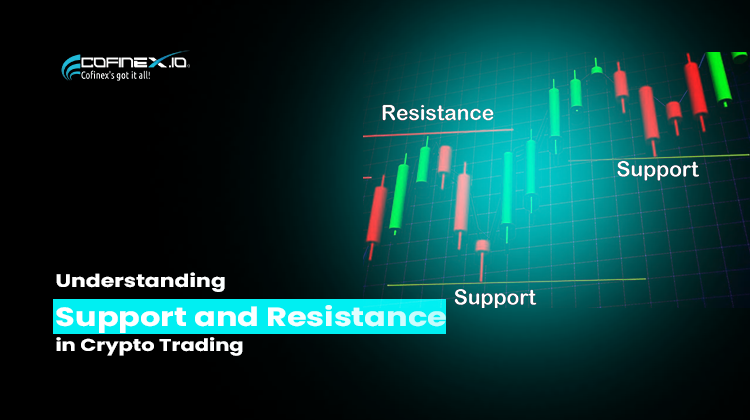
  • Understanding Support and Resistance in Crypto Trading

    Understanding Support and Resistance in Crypto Trading

    Introduction

    When you look at a crypto price chart, you may notice that prices sometimes stop falling near a particular area and start rising again. Similarly, prices may struggle to move higher after reaching certain levels.

    Traders often study these areas using two important concepts: support and resistance.

    Support is a price area where buying interest may slow a decline. In contrast, resistance is a price area where selling interest may slow a price increase.

    However, neither level guarantees that the price will reverse. Market conditions can change, and prices can break through both support and resistance.

    In this lesson, you’ll learn how these levels work, how traders identify them, and what beginners should understand before using them.

    What Is Support in Crypto Trading?

    Support is a price area where buying interest may increase enough to slow or temporarily stop a price decline.

    For example, imagine Bitcoin falls towards ₹80,00,000. Buyers begin purchasing near that area, and the price starts moving upward.

    If the price reacts similarly around that area on several occasions, traders may identify it as a support zone.

    However, support does not mean the price cannot fall further. If selling pressure becomes stronger than buying interest, the price may break below the zone.

    Why Does Support Form?

    Several factors can contribute to support:

    • Buying interest: Some traders consider an asset attractive when its price reaches a particular area.
    • Previous price reactions: Traders may watch areas where the price previously stopped falling or bounced upward.
    • Market psychology: Round numbers and widely watched price levels can influence trading decisions.
    • Trading activity: Increased buying activity around a price area may help slow a decline.

    As a result, traders often watch support zones to understand how the market responds to falling prices.

    What Is Resistance in Crypto Trading?

    Resistance is a price area where selling interest may increase enough to slow or temporarily stop a price rise.

    For example, suppose Bitcoin rises towards ₹85,00,000. Some traders sell near that area, and the price begins to fall.

    If the market shows similar reactions around that area repeatedly, traders may identify it as a resistance zone.

    Nevertheless, resistance does not guarantee a price decline. If buying demand becomes strong enough, the price may break above the zone.

    Why Does Resistance Form?

    Resistance can develop for several reasons:

    • Selling interest: Some traders may choose to sell when the price reaches a particular level.
    • Previous price reactions: Traders often watch areas where earlier price increases slowed or reversed.
    • Profit-taking: Traders who bought at lower prices may sell to realise profits.
    • Market psychology: Widely watched price levels can attract buying and selling activity.

    Therefore, resistance zones can help traders identify areas where the market may face selling pressure.

    Support vs Resistance: Key Differences

    FeatureSupportResistance
    LocationOften below the current priceOften above the current price
    Market pressureBuying interest may slow a declineSelling interest may slow an advance
    Possible reactionPrice may bounce upwardPrice may pull back downward
    Breakout directionPrice may break below supportPrice may break above resistance
    ReliabilityNot guaranteed to holdNot guaranteed to hold

    Remember that support and resistance represent price areas, not fixed barriers. Their significance depends on market conditions and price behaviour.

    A Simple Example of Support and Resistance

    Imagine a cryptocurrency trades between ₹100 and ₹120 for several days.

    During this period:

    • The price falls towards ₹100 and then rises several times.
    • The price climbs towards ₹120 and then falls several times.

    Traders may interpret ₹100 as a support zone and ₹120 as a resistance zone.

    If the price approaches ₹100 again, traders may watch whether buying interest appears. Similarly, when the price approaches ₹120, they may observe whether selling pressure increases.

    However, the price could break below ₹100 or above ₹120 at any time. Therefore, traders should not assume that the same pattern will continue indefinitely.

    How Do Traders Identify Support and Resistance?

    Traders use several methods to identify potential support and resistance zones.

    1. Look at Previous Price Reactions

    First, examine the price chart and look for areas where the price repeatedly stopped falling or rising.

    For example, several upward reactions near a similar price may suggest a potential support zone.

    Likewise, repeated downward reactions near a similar price may indicate possible resistance.

    2. Identify Price Zones, Not Just Exact Numbers

    Support and resistance rarely work as perfectly precise lines.

    Instead, traders often mark a zone that covers several nearby price reactions. This approach recognises that buying and selling activity can occur across a range of prices.

    3. Observe Trading Volume

    Trading volume shows how much of an asset traders exchange during a particular period.

    Some traders examine volume when the price approaches a support or resistance zone. A change in volume may provide additional context, although volume alone cannot confirm whether a level will hold or break.

    4. Use Different Timeframes

    A price area that matters on a short-term chart may not carry the same significance on a longer-term chart.

    For this reason, traders sometimes compare multiple timeframes to understand the broader price structure.

    However, no timeframe guarantees a more accurate outcome.

    What Happens When Support or Resistance Breaks?

    Sometimes, the price moves through a support or resistance zone instead of reversing.

    Support Breaks

    When the price moves below support, it may indicate that selling pressure has increased. Some traders then watch whether the price continues falling or returns above the zone.

    In certain situations, a broken support zone may later act as resistance.

    Resistance Breaks

    When the price moves above resistance, it may indicate stronger buying pressure. Traders may then watch whether the price continues rising or falls back below the zone.

    In some cases, a broken resistance zone may later act as support.

    This behaviour is often called role reversal. However, it does not happen every time, and a brief move beyond a level may turn out to be a false breakout.

    Common Beginner Mistakes

    Treating levels as guarantees: Support can break, and resistance can fail.

    Drawing too many lines: Marking every small price movement can make a chart confusing. Focus on meaningful price reactions instead.

    Ignoring market conditions: News, volatility, liquidity, and broader market trends can influence how prices behave around these zones.

    Assuming every breakout will continue: Some breakouts reverse quickly. Traders should consider the wider market context.

    Relying on one signal alone: Support and resistance provide context, but they do not predict future prices with certainty

    FAQs

    What is support in crypto trading?

    Support is a price area where buying interest may slow a decline or encourage a temporary upward reaction.

    What is resistance in crypto trading?

    Resistance is a price area where selling interest may slow a price increase or encourage a temporary downward reaction.

    Can support become resistance?

    Yes. After the price breaks below a support zone, that zone may act as resistance if the price later returns to it. However, this behaviour is not guaranteed.

    Can resistance become support?

    Yes. When the price breaks above resistance, that zone may later act as support if the price returns to it.

    Is support and resistance enough to make a trading decision?

    No. These concepts help traders interpret price behaviour, but they cannot guarantee an outcome. Traders should also consider risk management, market conditions, and other relevant information.

    Disclaimer

    This article is for educational purposes only and does not provide financial or investment advice. Cryptocurrency markets are volatile, and support and resistance levels can fail. Always understand the risks before making trading decisions.

  • What are Exchange-Traded Funds (ETFs)? A Beginner’s Guide

    What are Exchange-Traded Funds (ETFs)? A Beginner’s Guide

    Introduction

    Have you ever wanted to invest in several companies without buying each stock separately? Exchange-traded funds, commonly known as ETFs, can offer one way to do that.

    An ETF is an investment fund whose shares trade on a stock exchange. Depending on its strategy, an ETF may hold a collection of stocks, bonds, commodities, or other assets. Some ETFs track a market index, while others focus on a particular industry or investment strategy.

    For example, instead of buying shares in every company in a stock market index, you could invest in an ETF designed to track that index.

    However, ETFs are not risk-free. Their value can rise or fall, and fees vary between funds. Let’s explore how ETFs work, their benefits, and the risks beginners should understand.

    What Is an Exchange-Traded Fund?

    An exchange-traded fund (ETF) is an investment fund that issues shares traded on a stock exchange, much like individual stocks.

    An ETF pools money from investors and uses it according to the fund’s investment objective. Depending on the fund, it may hold multiple assets or follow a specific market benchmark.

    For example, an ETF may track a broad stock market index, focus on technology companies, or provide exposure to gold.

    As a result, one ETF share can give an investor exposure to several underlying investments. However, the exact exposure depends on the fund’s holdings and investment strategy.

    How Do ETFs Work?

    ETFs combine features of investment funds and exchange trading.

    Here is how they generally work:

    1. The fund follows an objective: The ETF aims to track an index, invest in a particular sector, hold certain assets, or follow another stated strategy.
    2. The fund holds investments: Depending on its objective, it may own stocks, bonds, commodities, or other eligible assets.
    3. Investors buy and sell shares: Investors can usually trade ETF shares through a brokerage account during exchange trading hours.
    4. The market determines the trading price: Supply and demand influence the ETF’s market price. This price may differ slightly from the value of its underlying holdings.
    5. The fund charges fees: The ETF may charge an annual expense ratio and investors may also pay brokerage or other transaction costs.

    Therefore, before buying an ETF, review its objective, holdings, costs, and trading arrangements.

    Common Types of ETFs

    ETFs come in several forms. Each type offers different kinds of market exposure.

    1. Index ETFs

    Index ETFs aim to track a particular market index.

    For example, an ETF may follow a broad stock market index. Instead of choosing individual companies, investors can use the fund to gain exposure to the securities included in that index.

    However, the fund’s performance may not match the index exactly because of fees and tracking differences.

    2. Sector ETFs

    Sector ETFs focus on a particular industry, such as technology, healthcare, energy, or financial services.

    These funds can help investors target a specific sector. However, because they concentrate on one area, they may carry greater sector-specific risk than broadly diversified funds.

    3. Bond ETFs

    Bond ETFs invest in bonds or other fixed-income securities.

    Depending on their holdings, these funds may provide exposure to government bonds, corporate bonds, or short-term debt instruments. Nevertheless, bond ETFs can still lose value because of interest-rate changes, credit risk, and market conditions.

    4. Commodity ETFs

    Commodity ETFs aim to provide exposure to commodities such as gold or other raw materials.

    However, different funds use different structures. Some hold physical commodities, while others use futures contracts or other financial instruments. Therefore, check how a fund gains its exposure before investing.

    5. Thematic ETFs

    Thematic ETFs focus on a particular trend or investment theme, such as artificial intelligence, clean energy, or cybersecurity.

    Although these funds can provide targeted exposure, their performance depends on the assets they hold. A popular theme does not guarantee strong investment returns.

    Benefits of ETFs

    ETFs offer several features that may appeal to investors.

    Diversification: A broad ETF can provide exposure to multiple securities through one investment. However, not every ETF is diversified.

    Convenience: Investors can buy and sell ETF shares through a brokerage account during market hours.

    Transparency: Many ETFs publish information about their holdings regularly, allowing investors to review their investments.

    Variety: Investors can choose funds that track indexes, sectors, bonds, commodities, or specific strategies.

    Cost awareness: Some ETFs have relatively low expense ratios. However, costs vary, so investors should compare fees rather than assume every ETF is inexpensive.

    What Are the Risks of ETFs?

    Although ETFs can be useful investment tools, they also carry risks.

    1. Market Risk

    If the assets held by an ETF lose value, the ETF’s price may fall as well. Diversification does not eliminate market risk.

    2. Concentration Risk

    An ETF that focuses on one industry, country, or theme may depend heavily on a small group of investments.

    As a result, a downturn in that area can significantly affect the fund.

    3. Tracking Error

    An ETF that follows an index may not match its performance exactly. Fees, trading costs, and the fund’s investment methods can create differences.

    4. Trading Price Differences

    An ETF’s market price may trade above or below the net asset value (NAV) of its holdings.

    Liquidity and market conditions can affect this difference. Consequently, investors should consider both the fund’s holdings and its trading price.

    5. Fees and Other Costs

    An ETF may charge an annual expense ratio. In addition, investors may pay brokerage fees, bid-ask spreads, or other transaction costs.

    Over time, these expenses can reduce overall returns.

    ETFs vs Individual Stocks vs Mutual Funds

    These investment options differ in how they operate and what they offer.

    FeatureETFsIndividual stocksMutual funds
    What you buyShares in an investment fundShares of a companyUnits or shares in an investment fund
    Investment exposureDepends on the fund; may include multiple assetsUsually one companyDepends on the fund
    TradingUsually trades on an exchange throughout market hoursTrades on an exchange during market hoursOften bought or redeemed through the fund at a calculated NAV
    DiversificationMay offer diversificationDepends on the number of stocks heldDepends on the fund
    CostsExpense ratio and possible trading costsTrading costs may applyExpense ratio and other charges may apply

    The exact features and costs depend on the product and market. Therefore, compare the fund documents before choosing an investment.

    How to Evaluate an ETF Before Investing

    Before investing in an ETF, take time to understand what you are buying.

    1. Check the objective: Find out whether the fund tracks an index, follows a theme, or uses another strategy.
    2. Review its holdings: Check which assets the fund owns and whether they match your goals.
    3. Compare fees: Review the expense ratio and other potential trading costs.
    4. Understand the risks: Consider market risk, concentration, currency exposure, and other risks relevant to the fund.
    5. Check liquidity: Look at trading activity and the bid-ask spread, which can affect your trading costs.
    6. Read the fund documents: Review the prospectus or official fund information to understand the investment approach and restrictions.

    Most importantly, do not choose an ETF solely because it performed well in the past. Past performance does not guarantee future results.

    FAQs

    What does ETF stand for?

    ETF stands for exchange-traded fund. It is an investment fund whose shares trade on a stock exchange.

    Are ETFs good for beginners?

    Some ETFs may suit beginners because they provide convenient access to a range of investments. However, suitability depends on the fund’s risks, costs, and the investor’s goals.

    Are ETFs safer than individual stocks?

    Not necessarily. A broad ETF may reduce company-specific risk through diversification, but it can still lose value when the market falls. A concentrated ETF may also carry substantial risk.

    Can I lose money in an ETF?

    Yes. An ETF’s market price can fall, and you may lose some or all of the money you invest, depending on the fund and the circumstances.

    Do ETFs pay dividends?

    Some ETFs distribute dividends or other income received from their holdings. Others reinvest income, depending on their structure and policies.

    Are ETFs and mutual funds the same?

    No. Both pool investments into a fund, but ETFs generally trade on an exchange throughout market hours. Traditional mutual funds often process purchases and redemptions at a calculated NAV. Product structures vary by market.

    Disclaimer

    This article is for educational purposes only and does not provide financial or investment advice. ETFs carry investment risks, and their fees, holdings, structures, and returns vary. Always review official fund documents and consider your financial goals before investing.

  • What is Compound Interest?

    What is Compound Interest?

    Introduction

    Have you ever wondered how money can grow over time without adding more money every year? One reason is compound interest.

    Compound interest is the interest you earn on your original money and the interest you have already accumulated. As a result, your money can grow faster over time because you earn interest on an increasing balance.

    For example, when you save money in an account that pays compound interest, the interest you earn may become part of your balance. Then, you can earn more interest on that larger amount.

    However, compound growth depends on several factors, including the interest rate, the time your money stays invested, and how often interest compounds.

    Let’s understand how compound interest works and why it matters in financial planning.

    What Is Compound Interest?

    Compound interest is interest calculated on both your initial principal and the interest accumulated from previous periods.

    Here, principal means the original amount of money you save or invest.

    Unlike simple interest, which calculates interest only on the original principal, compound interest allows accumulated interest to contribute to future growth.

    For this reason, people often describe compound interest as earning interest on interest.

    How Does Compound Interest Work?

    Compound interest follows a simple process:

    1. First, you deposit or invest an initial amount.
    2. Next, your money earns interest.
    3. Then, the accumulated interest becomes part of your balance.
    4. In the following period, you earn interest on the new balance.
    5. Over time, this process can increase your balance through compounding.

    For example, suppose you deposit ₹10,000 into an account that earns 5% annual interest, compounded once a year.

    <LearningViz type_id=”COMPOUND_INTEREST” initial_values={{“amount”:10000,”ratePercent”:5,”periods”:10}} />

    At the end of the first year, you earn ₹500 in interest. Your balance becomes ₹10,500.

    During the second year, you earn interest on ₹10,500 rather than just the original ₹10,000. Therefore, you earn ₹525 in interest, bringing your balance to ₹11,025.

    As the years pass, the interest can contribute more to your balance. This effect becomes more noticeable over longer periods.

    Illustration only. Actual savings rates, investment returns, taxes, and fees may differ.

    Compound Interest Formula

    You can calculate C.I. using a standard formula.

    [
    A=P(1+r)^n
    ]

    Where:

    • A = final balance
    • P = initial principal
    • r = annual interest rate expressed as a decimal
    • n = number of years, assuming annual compounding

    To calculate the interest earned, subtract the original principal from the final balance.

    For example, if you start with ₹10,000 and earn 5% annual interest for 10 years, compounded annually, the formula helps you estimate the final balance.

    Remember that this formula assumes a fixed annual rate and annual compounding. Other compounding schedules require different calculations.

    Simple Interest vs Compound Interest

    Both methods help you understand how money grows. However, they calculate interest differently.

    FeatureSimple InterestCompound Interest
    Interest calculationBased on the original principalBased on the principal and accumulated interest
    Balance growthAdds the same interest amount each period at a fixed rateInterest can increase as the balance grows
    Effect of timeInterest grows in a straight-line patternGrowth can accelerate over time
    Common useCertain loans and financial agreementsMany savings and investment calculations

    For example, with simple interest, ₹10,000 earning 5% annually generates ₹500 each year.

    With compound interest, the interest amount can increase because each period starts with a larger balance.

    Therefore, compound interest can produce greater growth over time when the rate and other conditions remain the same.

    What Factors Affect Compound Interest?

    Several factors influence how much your money can grow.

    1. Initial Principal

    The principal is the amount you start with. Generally, a larger initial amount produces more interest when the rate and time remain the same.

    2. Interest Rate

    The interest rate determines how much interest your balance earns in each period.

    A higher rate can increase compound growth. However, remember that investments offering higher potential returns may also involve greater risk.

    3. Time

    Time plays an important role in compound interest.

    The longer your money compounds, the more opportunities accumulated interest has to contribute to future growth. Consequently, starting early can make a difference when you have a long-term financial goal.

    4. Compounding Frequency

    Compounding frequency refers to how often an institution calculates and adds interest to your balance.

    Depending on the terms, interest may compound annually, quarterly, monthly, or daily. With the same nominal annual rate and other conditions, more frequent compounding generally produces a slightly higher final balance.

    However, always check the actual rate and terms before comparing financial products.

    5. Additional Contributions

    Some savings and investment plans allow you to add money regularly.

    When you contribute more over time, those contributions may also earn returns or interest. As a result, your balance may grow through both new contributions and compounding.

    However, additional contributions are different from compound interest itself.

    Why Is Compound Interest Important?

    Compound interest can help you understand several everyday financial decisions.

    Building savings: Savings accounts or deposits that compound interest can help your balance grow over time, depending on their terms.

    Planning long-term goals: Understanding compounding can help you estimate how much you may need to save for future expenses.

    Starting early: Beginning to save earlier gives your money more time to compound.

    Understanding debt: Compound interest can also increase the amount you owe when a loan or balance compounds interest. Therefore, always understand the interest terms before borrowing.

    Although compound interest can support financial growth, it does not guarantee that every investment will make money.

    Does Compound Interest Apply to Investments and Crypto?

    Yes, the concept of compounding also applies to investments. However, the way it works depends on the product.

    For example, an investment may compound when you reinvest dividends, interest payments, or other earnings. Those reinvested amounts can then contribute to future returns.

    In cryptocurrency, some platforms offer products that reinvest eligible rewards. This may create a compounding effect, depending on the product’s rules.

    However, crypto returns are not guaranteed. Prices can fall, reward rates can change, and platforms may carry additional risks. Some products may also restrict withdrawals or expose users to loss.

    Therefore, do not assume that a crypto product will deliver a fixed or guaranteed compound return.

    Common Beginner Mistakes

    Confusing simple and compound interest: Simple interest uses the original principal, while compound interest also includes accumulated interest.

    Ignoring the time factor: Compounding often becomes more noticeable over longer periods.

    Assuming higher returns are guaranteed: Investment returns can fluctuate, and some investments can lose value.

    Forgetting fees and taxes: These costs can reduce the amount you keep.

    Ignoring debt interest: Compounding can increase debt as well as savings, depending on the terms

    FAQs

    What is compound interest in simple words?

    It means earning interest on your original money and on the interest you have already earned.

    Is compound interest better than simple interest?

    For the same principal, rate, and period, compound interest generally produces a higher balance when interest accumulates and earns further interest.

    How often can interest compound?

    Depending on the financial product, interest may compound annually, quarterly, monthly, or daily. Check the product’s terms to understand its compounding schedule.

    Can compound interest make me rich?

    It can support long-term financial growth. However, the outcome depends on your contributions, rate of return, time, fees, taxes, and risk. It does not guarantee wealth.

    Does compound interest apply to cryptocurrency?

    The concept can apply when a crypto product reinvests eligible rewards. However, crypto returns and reward rates can fluctuate, and users may lose money.

    Disclaimer

    This article is for educational purposes only and does not provide financial or investment advice. Savings rates and investment returns vary, and investments may lose value. Always review the terms, fees, taxes, and risks of a financial product before making a decision.

  • What is Slippage in Crypto Trading?

    What is Slippage in Crypto Trading?

    Introduction

    Have you ever placed a crypto trade at one price but received a slightly different price when the order executed? This difference is called slippage.

    Slippage in crypto trading occurs when the actual execution price differs from the expected price. It often happens during fast market movements or when an order book has limited liquidity.

    Understanding slippage can help you make more informed trading decisions. Moreover, it can help you understand why your final trade value may differ from what you expected.

    What Is Slippage in Crypto Trading?

    Slippage is the difference between the price you expect when placing a trade and the price at which the trade actually executes.

    For example, suppose you want to buy Bitcoin at ₹90,00,000. However, the market moves before your order executes, and you buy it at ₹90,10,000 instead.

    In this case, you experience slippage because your execution price differs from your expected price.

    Slippage can work in either direction. You may receive a less favourable price, or you may receive a more favourable one.

    Why Does Slippage Happen?

    Several factors can cause slippage in crypto markets.

    1. Low Liquidity

    Liquidity refers to how easily traders can buy or sell an asset without significantly affecting its price.

    When an order book has limited liquidity, it may not contain enough orders at your preferred price. As a result, a large market order may execute across several price levels.

    2. High Market Volatility

    Crypto prices can change quickly, especially during major announcements or sudden market movements.

    Consequently, the price may move between the moment you place an order and the moment it executes.

    3. Large Orders

    A large order may exceed the quantity available at the best price.

    For example, if sellers offer only a small amount of an asset at your preferred price, your remaining buy order may execute at higher prices.

    4. Thin Order Books

    An order book displays available buy and sell orders at different prices.

    When the order book has large gaps between price levels or limited quantities near the current market price, a market order may experience greater slippage.

    A Simple Example of Slippage

    Imagine you want to buy 1 ETH at an expected price of ₹2,50,000.

    However, the available sell orders look like this:

    Available quantityPrice per ETH
    0.4 ETH₹2,50,000
    0.3 ETH₹2,51,000
    0.3 ETH₹2,52,000

    If you buy the entire 1 ETH using a market order, your order may execute across all three price levels.

    Your total cost would be:

    • 0.4 ETH × ₹2,50,000 = ₹1,00,000
    • 0.3 ETH × ₹2,51,000 = ₹75,300
    • 0.3 ETH × ₹2,52,000 = ₹75,600

    Total cost: ₹2,50,900

    Therefore, your average execution price would be ₹2,50,900 per ETH rather than the expected ₹2,50,000.

    In this example, the average execution price is ₹900 higher than expected. This difference illustrates how slippage can occur when an order uses liquidity at multiple price levels.

    Note: This example excludes trading fees and assumes the listed orders remain available until execution.

    Positive Slippage vs Negative Slippage

    Slippage does not always work against you. Depending on how the market moves, it can be positive or negative.

    TypeWhat happens?Example
    Positive slippageYou receive a better price than expectedYou buy at ₹2,49,500 instead of ₹2,50,000
    Negative slippageYou receive a worse price than expectedYou buy at ₹2,50,500 instead of ₹2,50,000

    However, the outcome depends on market conditions and order execution. You cannot assume that a trade will always receive a better price.

    How Can You Reduce Slippage?

    Although you cannot eliminate slippage completely, you can take steps to reduce its impact.

    1. Use Limit Orders

    A limit order lets you set the maximum price you are willing to pay when buying or the minimum price you will accept when selling.

    As a result, it gives you more control over the execution price. However, the market may not fill your order, or it may fill only part of it.

    2. Check Market Liquidity

    Before placing a trade, review the available orders and the trading activity for that asset.

    Generally, a deeper order book can help accommodate trades with less price impact. Nevertheless, liquidity can change quickly.

    3. Avoid Rushing During Volatile Markets

    During sudden price movements, market prices may change before your order executes.

    Therefore, consider the market conditions before placing a trade, especially when volatility increases.

    4. Consider Your Order Size

    Large orders can consume several levels of the order book.

    If appropriate for your trading goals, breaking a large order into smaller orders may reduce its immediate market impact. However, this approach does not guarantee better execution and may involve additional fees or price changes.

    5. Review Slippage Settings on Decentralized Exchanges

    Some decentralized exchanges allow users to set a slippage tolerance.

    This setting defines how much the execution price can differ from the expected price before a transaction fails. A very low tolerance may cause transactions to fail, while a very high tolerance may expose you to a less favourable execution price.

    The exact settings and behaviour depend on the platform.

    Slippage vs Trading Fees

    Slippage and trading fees can both affect the final cost of a trade. However, they are different.

    FeatureSlippageTrading fees
    MeaningDifference between expected and actual execution priceCharge for executing a trade
    Main causePrice movement and available liquidityExchange or network fee rules
    Can it be positive?Yes, sometimesUsually a cost
    Can you predict the exact amount?Not alwaysOften shown in the platform’s fee schedule

    Therefore, when reviewing a trade, consider both slippage and applicable fees to understand your overall trading cost.

    Common Beginner Mistakes

    Assuming slippage always means a loss: Slippage can be positive or negative.

    Ignoring liquidity: A low-liquidity market can make it harder to execute larger orders at the expected price.

    Using market orders without checking conditions: Market orders prioritise execution, not a guaranteed price.

    Setting slippage tolerance too high: On platforms that offer this setting, a high tolerance can allow a much less favourable execution price.

    Confusing slippage with trading fees: Slippage comes from execution-price differences, while trading fees come from platform or network rules.

    FAQs

    Is slippage always bad in crypto trading?

    No. Positive slippage gives you a better execution price than expected, while negative slippage gives you a worse price.

    What causes high slippage?

    High volatility, limited liquidity, thin order books, and large orders can all contribute to high slippage.

    Can limit orders prevent slippage?

    Limit orders help control the price at which you buy or sell. However, they may remain unfilled or receive only a partial fill.

    What is slippage tolerance?

    Slippage tolerance is a setting on some trading platforms, particularly decentralised exchanges, that defines the acceptable difference between the expected and actual execution price. Its exact behaviour depends on the platform.

    Is slippage the same as a trading fee?

    No. Slippage reflects a difference in execution price, whereas a trading fee is a charge applied under the platform’s fee rules.

    Disclaimer

    This article is for educational purposes only and does not provide financial or investment advice. Cryptocurrency trading involves risk, and actual execution prices may vary with market conditions, liquidity, and platform rules.

  • Coin vs Token: What is the difference?

    Coin vs Token: What is the difference?

    Introduction

    When you explore cryptocurrency, you will often come across the words coin and token. People sometimes use these terms interchangeably. However, they have different meanings in the crypto ecosystem.

    Understanding the difference helps you learn how cryptocurrencies work, how blockchain networks support digital assets, and why projects create their own tokens.

    In simple terms, a coin generally operates on its own blockchain, while a token uses an existing blockchain.

    For example, Bitcoin (BTC) serves as the native coin of the Bitcoin blockchain. Meanwhile, many tokens operate on platforms such as Ethereum, which allows developers to create digital assets through smart contracts.

    Now, let’s explore the difference step by step.

    What Is a Crypto Coin?

    A crypto coin is a digital asset that serves as the native currency of its own blockchain.

    The coin plays a role in the blockchain’s underlying system. Depending on the network, it may help users pay transaction fees, support network operations, or participate in the consensus mechanism.

    Here are some common examples:

    • Bitcoin (BTC): The native coin of the Bitcoin blockchain.
    • Ether (ETH): The native asset of Ethereum, which users need to pay transaction fees on the network.
    • Solana (SOL): The native coin of the Solana blockchain.

    Although these coins serve different purposes, each one belongs to its own blockchain network.

    What Are Coins Used For?

    A native coin can serve several purposes, depending on the network.

    Paying transaction fees: Many blockchain networks require users to pay network fees with their native asset.

    Supporting network operations: Some networks use their native coins in their consensus mechanisms.

    Transferring value: Users can transfer coins between compatible blockchain addresses.

    However, not every coin serves the same functions. Its role depends on the rules and design of its blockchain.

    What Is a Crypto Token?

    A crypto token is a digital asset that developers create on an existing blockchain rather than as the native asset of an independent blockchain.

    Many tokens use smart contracts to define their functions, supply, and transfer rules.

    For example, Ethereum supports many tokens through smart-contract standards such as ERC-20.

    Some well-known examples include:

    • USDT: A stablecoin available on several supported blockchain networks.
    • USDC: A dollar-linked stablecoin available on multiple blockchain networks.
    • UNI: A token associated with the Uniswap ecosystem.

    These tokens serve different purposes. For instance, stablecoins aim to maintain a relatively stable value, while other tokens may support governance or specific functions within an ecosystem.

    Therefore, you should always examine a token’s design to understand its purpose. Not every token offers the same rights or practical benefits.

    What Are Tokens Used For?

    Tokens can serve several functions within blockchain ecosystems.

    Payments: Some tokens support payments and transfers within applications.

    Governance: Certain tokens allow holders to vote on specific protocol decisions, depending on the project’s rules.

    Access and utility: Some tokens give users access to features or services within an ecosystem.

    Stable value: Stablecoins aim to maintain a relatively stable value against a reference asset.

    As a result, understanding a token’s purpose can help you research the project more effectively.

    Coin vs Token: Key Differences

    FeatureCoinToken
    BlockchainNative to its own blockchainUsually created on an existing blockchain
    CreationDefined by the blockchain’s protocolOften created through smart contracts
    Transaction feesMay pay fees on its own networkUsually relies on the underlying network’s native asset for fees
    Common usesNetwork fees, transfers, and network operationsPayments, governance, utility, and other functions
    ExamplesBTC, ETH, SOLUSDT, USDC, UNI

    These distinctions provide a general guide. However, the exact features and uses depend on the blockchain and the asset’s design.

    A Simple Example to Understand the Difference

    Imagine a blockchain as a road network.

    The coin acts like the network’s native currency. Users may need it to pay transaction fees and support network operations.

    A token, on the other hand, works as a digital asset on an existing network.

    For example, Ethereum has its native asset, ETH. Developers can also create tokens on Ethereum using smart contracts.

    When you transfer an Ethereum-based token, you typically need ETH to pay the Ethereum network fee. Therefore, holding a token does not always mean you have the native asset needed to transfer it.

    Keep in mind that fee requirements vary across blockchains because each network follows its own rules.

    Can a Token Become a Coin?

    Yes, in some cases.

    A project may initially issue a token on an existing blockchain and later launch its own blockchain.

    If the project launches a native asset for its new network, that asset can function as the network’s coin.

    However, not every project takes this route. Some projects continue using existing blockchains because those networks meet their needs.

    Additionally, moving assets to a new network may require a migration process. Always follow the project’s official instructions instead of sending assets to unfamiliar addresses.

    Why Does the Difference Matter?

    Understanding the difference between coins and tokens helps you make sense of several important crypto concepts.

    1. Understanding Transaction Fees

    When you transfer a token, you may need the blockchain’s native coin to pay network fees.

    For example, an Ethereum-based token transfer typically requires ETH to cover Ethereum network fees. Therefore, check your balance before making a transfer.

    2. Understanding Blockchain Networks

    A token relies on its underlying blockchain for transaction processing and other network functions. Consequently, the network’s performance and fees can affect how you use that token.

    3. Researching a Crypto Project

    Knowing whether an asset is a coin or a token helps you investigate its technology, purpose, supply, and network requirements.

    However, this distinction alone cannot tell you whether an asset is valuable, reliable, or suitable for an investment.

    4. Avoiding Transfer Mistakes

    Some tokens operate across multiple blockchains. Before transferring funds, always check whether the sending and receiving platforms support the same asset and network.

    Otherwise, you could face delays or lose access to your assets.

    Common Beginner Mistakes

    Assuming coins and tokens are identical: Although both represent digital assets, they have different relationships with their blockchains.

    Thinking every token has its own blockchain: Most tokens rely on an existing blockchain instead.

    Assuming every token has a useful purpose: Token functions vary, and some projects offer limited practical utility.

    Forgetting network fees: You may need the underlying blockchain’s native asset to pay for a token transfer.

    Ignoring the network when transferring assets: Always confirm the supported blockchain and destination details before sending funds.

    FAQs

    Is Bitcoin a coin or a token?

    Bitcoin (BTC) is a coin because it serves as the native asset of the Bitcoin blockchain.

    Is Ethereum a coin or a token?

    Ether (ETH) is a coin because it serves as the native asset of the Ethereum network. Ethereum refers to the blockchain platform, while Ether is its native cryptocurrency.

    Is USDT a coin or a token?

    USDT is a token available on several supported blockchain networks. Always check the specific network before transferring it.

    Can a token exist on multiple blockchains?

    Yes. Some tokens are issued or represented on multiple networks. However, their availability, technical design, and transfer methods depend on the issuer and the networks involved.

    Do I need ETH to transfer every crypto token?

    No. You generally need the native asset of the blockchain you use to pay its transaction fees. For an Ethereum-based token, this is typically ETH. Other networks use their own native assets.

    Disclaimer

    This article is for educational purposes only and does not provide financial or investment advice. Cryptocurrency assets carry risks, and their functions, availability, and technical requirements vary by project and blockchain.

  • What is a Crypto Phishing Scam?

    What is a Crypto Phishing Scam?

    Introduction

    Imagine receiving a message that looks like it comes from your crypto exchange. It says your account will be suspended unless you verify your details immediately. The message includes a link and asks you to sign in.

    The message may look genuine, but the link could lead to a fake website designed to steal your information.

    This is an example of a crypto phishing scam.

    Phishing is a type of online attack in which scammers impersonate trusted people, companies, or services to trick users into sharing sensitive information. In crypto, attackers may target passwords, one-time passwords (OTPs), private keys, and wallet recovery phrases.

    The good news is that recognising common warning signs can help you avoid many phishing attempts.

    What is a Crypto Phishing Scam?

    A crypto phishing scam happens when an attacker pretends to represent a trusted crypto exchange, wallet provider, project, or support team to steal information or gain access to digital assets.

    Scammers may contact users through:

    • Emails
    • Text messages
    • Social media
    • Messaging apps
    • Fake websites
    • Online advertisements

    For example, a scammer may send a message claiming that a withdrawal is pending and that you must click a link to cancel it. The link may lead to a fake login page that collects your credentials.

    Once attackers obtain sensitive information, they may try to access your account or wallet and transfer your assets.

    Therefore, always verify unexpected messages independently instead of trusting them at first glance.

    How do Crypto Phishing Scams work?

    Phishing scams often follow a simple pattern.

    Step 1: The Scammer Creates a Fake Identity

    The attacker may copy the branding, logo, or language of a genuine exchange or wallet service.

    As a result, the message or website can appear trustworthy at first glance.

    Step 2: The Scammer Creates Urgency

    The message may claim that your account is at risk, a withdrawal needs approval, or you have a limited time to take action.

    This pressure is designed to make you act before checking the details.

    Step 3: The Victim Clicks a Link

    The message directs the user to a website that resembles a legitimate service.

    However, the website may be controlled by the attacker.

    Step 4: The Attacker Collects Sensitive Information

    The fake website may request login credentials, OTPs, or other private information.

    In some cases, a scammer may ask for a wallet recovery phrase directly.

    Remember: never enter your recovery phrase into an unsolicited website or share it with someone claiming to be customer support.

    Common Types of Crypto Phishing Scams

    1. Fake Exchange Emails

    You may receive an email claiming that your account has a security problem or requires urgent verification.

    The email may contain a link to a fake login page.

    How to stay safe: Open the exchange’s official app or type its verified website address into your browser instead of clicking the message link.

    2. Fake Customer Support

    Scammers may impersonate support agents on social media or messaging platforms.

    They may offer to fix an account issue but ask for your password, OTP, or recovery phrase.

    How to stay safe: Contact support through the service’s verified channels. Never share authentication codes or recovery phrases with a person who contacts you unexpectedly.

    3. Fake Wallet Websites

    Some attackers create websites that resemble genuine wallet services. These sites may ask users to enter their recovery phrases to restore or verify a wallet.

    Once the phrase is exposed, the attacker may be able to access the wallet.

    How to stay safe: Use the wallet provider’s verified website or official application. Never enter your recovery phrase on an unfamiliar website.

    4. Fake Airdrops and Giveaways

    A scammer may promise free tokens or rewards in exchange for connecting a wallet, visiting a website, or providing sensitive information.

    Some malicious websites may also request wallet permissions or signatures that could put assets at risk.

    How to stay safe: Verify campaigns through official project channels. Before connecting a wallet or signing a transaction, understand what permissions or actions you are approving.

    5. Social Media Impersonation

    Fake accounts may copy the names and profile pictures of crypto projects, founders, or influencers.

    They may send direct messages containing suspicious links or promises of rewards.

    How to stay safe: Verify account details and announcements through official channels. Be cautious of unexpected private messages, even when they appear to come from a familiar account.

    Warning Signs of a Phishing Scam

    Look out for these common red flags:

    • Urgent threats: Messages say your account will be frozen unless you act immediately.
    • Suspicious URLs: The website address contains misspellings, extra words, or an unfamiliar domain.
    • Requests for secret information: Someone asks for your password, OTP, private key, or recovery phrase.
    • Unexpected rewards: Messages promise free crypto in exchange for sensitive details or an upfront payment.
    • Unsolicited support: Someone contacts you unexpectedly and asks you to move funds or connect your wallet.
    • Unusual requests: A website asks you to approve an unfamiliar transaction or wallet signature.

    However, phishing messages do not always contain spelling mistakes or obvious errors. Some are carefully designed to look genuine.

    For this reason, verify the request independently rather than relying on appearance alone.

    Five Ways to Protect Yourself

    1. Check URLs Carefully

    Before signing in, verify that the website address matches the official service. Avoid links from unexpected messages.

    2. Never Share OTPs or Recovery Phrases

    Keep passwords, authentication codes, private keys, and recovery phrases confidential. Legitimate support should not ask you to reveal your wallet recovery phrase.

    3. Enable Two-Factor Authentication

    Two-factor authentication adds another layer of protection to supported accounts. Use a secure method offered by your platform and protect your authentication devices.

    4. Verify Through Official Channels

    If a message claims that your account needs attention, open the official app or website separately. Check the notification there before taking action.

    5. Pause Before Approving Wallet Requests

    Read wallet connection requests, transaction details, and signature prompts carefully. If you do not understand what a request will do, do not approve it until you have verified it.

    What should you do if you click a Phishing Link?

    Clicking a suspicious link does not always mean your account has been compromised. However, you should act quickly if you entered sensitive information or approved an unfamiliar transaction.

    1. Stop interacting with the suspicious website.
    2. If you entered your password, change it using the official service and secure your associated email account.
    3. If you shared an OTP or authentication code, contact the platform through its verified support channel immediately.
    4. If you exposed a self-custody wallet’s recovery phrase, use a trusted device and verified wallet software to move any remaining assets to a newly created, secure wallet, if you can do so safely.
    5. Review account sessions, withdrawal settings, and recent transactions where available.
    6. Report the incident to the platform and relevant authorities.

    If you suspect that your device has been compromised, avoid using it to access sensitive accounts until it has been secured.

    Act quickly, but do not trust strangers who promise to recover stolen crypto for an upfront fee. Recovery scams often target people who have already lost money.

    FAQs

    What is the main goal of a crypto phishing scam?

    The goal is usually to steal sensitive information, gain unauthorised access to accounts or wallets, or trick victims into approving harmful transactions.

    Can a crypto exchange ask for my recovery phrase?

    You should never share your self-custody wallet’s recovery phrase with an exchange or someone claiming to be support. Keep it private and secure.

    Is it safe to click a link from a crypto support message?

    Unexpected links can be dangerous. Instead, open the official service independently and verify whether the message is genuine.

    Can I lose crypto without sharing my password?

    Yes. Some scams trick users into approving malicious transactions, signing harmful messages, or revealing wallet recovery phrases. Protecting your credentials is important, but you should also check wallet requests carefully.

    Can stolen cryptocurrency always be recovered?

    No. Blockchain transactions are generally difficult or impossible to reverse once confirmed. Report suspected theft promptly, but be cautious of anyone guaranteeing recovery.

    Disclaimer

    This article is for educational purposes only. Security practices can reduce certain risks but cannot guarantee complete protection against phishing, scams, or loss of digital assets.

  • What is Liquidity in Crypto Trading? A Beginner’s Guide

    What is Liquidity in Crypto Trading? A Beginner’s Guide

    Introduction

    Have you ever wondered why buying or selling one cryptocurrency feels easy, while trading another can be difficult?

    One important reason is liquidity.

    Liquidity describes how easily an asset can be bought or sold without significantly affecting its market price. In crypto trading, liquidity can influence how quickly an order executes, the difference between buying and selling prices, and the final price you receive.

    For beginners, understanding liquidity can help you make more informed trading decisions. It can also help you understand why some cryptocurrencies experience greater price movements than others.

    In this lesson, we will explain crypto liquidity, how it works, why it matters, and what you should check before placing a trade.

    What is Liquidity in Crypto Trading?

    Crypto liquidity refers to how easily a cryptocurrency can be bought or sold without causing a significant change in its price.

    A market generally has higher liquidity when enough buyers and sellers are available to trade at different prices.

    On the other hand, a market with low liquidity may have fewer buyers and sellers near the current price. As a result, even a relatively small order can move the market price.

    For example, buying Bitcoin in a liquid market may be easier than buying a lesser-known token with limited trading activity. However, liquidity can vary by exchange and trading pair, so you should not assume that every market for the same cryptocurrency has equal liquidity.

    How does Crypto Liquidity work?

    Liquidity depends on the availability of buyers, sellers, and orders in a market.

    Imagine you want to buy a cryptocurrency at ₹100 per token.

    If many sellers are willing to sell near ₹100, your order may execute close to your expected price.

    However, suppose only a few sellers are available at that level. Your order may need to match with sellers asking for higher prices.

    Consequently, you could pay more than expected to complete the purchase.

    The opposite can happen when selling. If there are not enough buyers near the current price, you may need to accept lower prices to sell your entire position.

    This is why liquidity matters when you place market orders.

    What is the difference between High and Low Liquidity?

    High Liquidity

    A highly liquid market generally has enough trading interest and available orders to handle transactions without large price changes.

    Common characteristics include:

    • Many buyers and sellers
    • Orders available near the current market price
    • Generally narrower bid-ask spreads
    • Lower price impact for comparable order sizes

    However, high liquidity does not guarantee a specific execution price or prevent sudden market movements.

    Low Liquidity

    A market with low liquidity may have fewer orders available near the current price.

    Possible characteristics include:

    • Fewer active buyers and sellers
    • Wider bid-ask spreads
    • Greater slippage on market orders
    • Larger price movements from relatively small trades

    Therefore, beginners should pay attention to liquidity before trading unfamiliar or less actively traded tokens.

    What is the Bid-Ask spread?

    The bid-ask spread is the difference between the highest price a buyer is currently willing to pay and the lowest price a seller is currently willing to accept.

    For example:

    Market InformationPrice
    Highest bid₹99
    Lowest ask₹101
    Bid-ask spread₹2

    In this example, the spread is ₹2 per token.

    A narrower spread often indicates better trading conditions, while a wider spread can increase the cost of entering or exiting a trade.

    However, the spread is only one indicator of liquidity. You should also consider the quantity available at each price.

    What is Slippage, and How is it related to Liquidity?

    Slippage occurs when the execution price differs from the price you expected when placing a trade.

    For example, imagine you place a market order to buy 100 tokens. The available sellers may not have enough tokens at the best asking price to fill your entire order.

    As a result, some of your purchase may execute at higher prices.

    This can lead to an average purchase price above your initial expectation.

    Low liquidity can increase the risk of slippage because fewer orders may be available near the current market price. Nevertheless, slippage can also occur in liquid markets during sudden price movements.

    Liquidity vs Trading Volume

    Liquidity and trading volume are related, but they are not the same.

    FeatureLiquidityTrading Volume
    MeaningHow easily an asset can be traded without significantly affecting its priceHow much of an asset is traded during a specific period
    Main focusEase of buying and sellingAmount of completed trading activity
    What to examineSpreads, order-book depth, and price impactVolume over a selected period
    Why it mattersHelps assess trade execution conditionsHelps measure market activity

    For example, a cryptocurrency may show high reported trading volume but still have limited orders available near the current price on a particular exchange.

    Therefore, volume alone does not tell you everything about liquidity.

    What is Market Depth?

    Market depth refers to the quantity of buy and sell orders available at different price levels in an order book.

    A market with greater depth can often accommodate larger orders with less price impact, provided the available orders remain in place.

    For example, suppose a trading pair has many buy orders near the current price. A seller may be able to sell a larger quantity without pushing the price down as much as they would in a shallow market.

    However, displayed orders can change or disappear. Market depth is useful information, but it is not a guarantee that every order will execute as expected.

    Why is Liquidity important for Crypto Traders?

    1. It Can Affect Execution Prices

    Higher liquidity can make it easier to execute orders near the displayed market price.

    In contrast, low liquidity can cause larger differences between the expected and final execution prices.

    2. It Can Affect Trading Costs

    Trading fees are not the only cost to consider. The bid-ask spread and slippage can also affect the total cost of a transaction.

    Therefore, a market with low trading fees is not necessarily the cheapest market to trade in.

    3. It Can Affect Large Orders

    Large orders can consume several levels of available liquidity.

    As a result, splitting an order into smaller orders may sometimes reduce price impact, although this approach does not guarantee a better result and may involve additional fees or execution risks.

    4. It Can Affect Price Volatility

    When fewer orders are available, relatively small trades can move prices more sharply.

    However, liquidity is only one factor that affects volatility. News, market sentiment, and sudden changes in demand can also influence prices.

    How can beginners check Crypto Liquidity?

    Before placing a trade, consider these checks.

    First, check the trading pair. Liquidity can differ between BTC/USDT, BTC/INR, and other pairs involving the same asset.

    Next, examine the bid-ask spread. A narrower spread may indicate more favourable trading conditions.

    Then, review the order book. Look at the quantities available near the current price, not just the best bid and ask.

    After that, compare trading volume. Check the volume for the relevant trading pair and time period.

    Finally, consider your order size. A trade that is small relative to available liquidity may have less price impact than a much larger order.

    Together, these checks can help you better understand the market before trading.

    Common Beginner Mistakes

    Assuming Every Popular Token Has High Liquidity

    Liquidity varies by exchange and trading pair. Always check the specific market you intend to use.

    Looking Only at Trading Volume

    Volume measures completed activity, while liquidity concerns how easily trades can be completed without significant price impact.

    Ignoring the Bid-Ask Spread

    A wider spread can increase the cost of entering or exiting a position.

    Placing Large Market Orders Without Checking the Order Book

    A large order may consume available orders at several price levels, resulting in slippage.

    Assuming Liquidity Never Changes

    Liquidity can decrease quickly during market stress, major announcements, or periods of uncertainty.

    FAQs

    Is high liquidity good for crypto trading?

    Higher liquidity generally makes it easier to trade near the current market price. However, it does not eliminate volatility or guarantee execution at a particular price.

    What happens when a cryptocurrency has low liquidity?

    Low liquidity can make buying or selling more difficult. Traders may face wider spreads, greater slippage, or larger price movements when executing orders.

    Is liquidity the same as trading volume?

    No. Trading volume measures the amount traded during a period, while liquidity describes how easily an asset can be traded without significantly affecting its price.

    How can I check a cryptocurrency’s liquidity?

    Review the bid-ask spread, order-book depth, trading volume, and available quantities near the current price for your specific trading pair.

    Does low liquidity always mean a cryptocurrency is a bad investment?

    Not necessarily. However, it can increase execution risks and make it harder to exit a position at a desired price. Liquidity is one factor to consider alongside other research.

    Disclaimer

    This article is for educational purposes only and does not provide financial or investment advice. Cryptocurrency markets involve risk, and liquidity can change rapidly. Always research the trading pair and understand the potential costs before placing an order.