Introduction
Cryptocurrency prices can change quickly. Bitcoin and Ethereum, for example, can experience significant price movements within a short period. But what if someone wants to use cryptocurrency without dealing with the same level of price fluctuation?
This is where stablecoins come in.
Stablecoins are cryptocurrencies designed to maintain a relatively stable value by linking their value to another asset, such as a currency like the US dollar. They aim to reduce price volatility compared with many other cryptocurrencies.
However, stablecoins are not completely risk-free. Their value can move away from the target price, and their safety depends on how they work and how they are managed.
In this lesson, we will explain what stablecoins are, how they work, their common types, and the risks beginners should understand.
What is a Stablecoin?
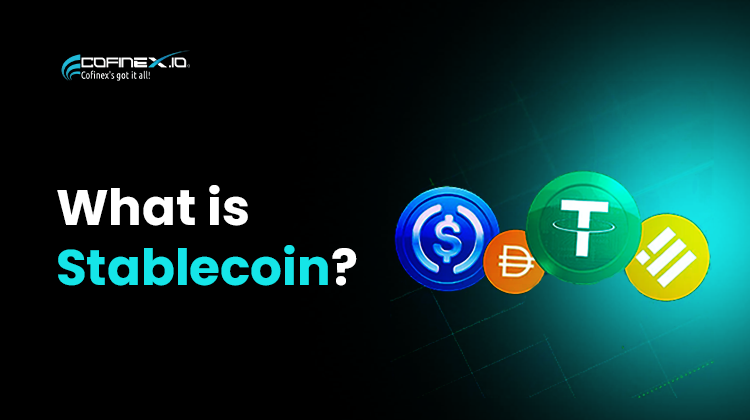
A stablecoin is a type of cryptocurrency designed to maintain a stable value relative to a reference asset.
For example, some stablecoins aim to maintain a value close to 1 US dollar. This means one token is intended to be worth approximately one dollar, although the market price can sometimes move above or below that level.
Unlike Bitcoin, which has a market price that changes according to supply and demand, stablecoins use different mechanisms to support their target value.
These mechanisms may involve holding reserves, using crypto assets as collateral, or following other systems designed to maintain the token’s value.
How do Stablecoins work?
Stablecoins use different methods to support their target value. The exact process depends on the design of the stablecoin.
For example, a fiat-backed stablecoin may be supported by reserves of cash, government securities, or other permitted assets. The issuer manages these reserves according to the stablecoin’s structure and redemption arrangements.
In contrast, a crypto-backed stablecoin may use other cryptocurrencies as collateral. Because those assets can be volatile, the system may require more collateral than the value of the stablecoins issued.
As a result, different stablecoins can have different levels of complexity and risk.
It is also important to remember that a stablecoin’s target value is not an unconditional guarantee that it will always trade at that price.
What are the main types of Stablecoins?
Stablecoins can be grouped according to how they aim to maintain their value.
1. Fiat-Backed Stablecoins
Fiat-backed stablecoins aim to maintain their value using reserves linked to traditional currencies, such as the US dollar.
For example, USDT and USDC are widely known dollar-linked stablecoins.
Their stability depends on factors such as the quality and transparency of their reserves, the issuer’s operations, and the ability of eligible users to redeem tokens under the applicable terms.
2. Crypto-Backed Stablecoins
Crypto-backed stablecoins use cryptocurrencies as collateral to support their value.
Since the collateral can change in price, these systems may use overcollateralization and other mechanisms to manage risk.
However, sudden market movements can still create challenges for the system.
3. Algorithmic Stablecoins
Algorithmic stablecoins use programmed mechanisms and market incentives to try to maintain a target value. Some designs may rely heavily on relationships with other tokens rather than traditional reserve assets.
These models can be especially risky. If the mechanisms fail to maintain demand or stability, a stablecoin may lose its target value significantly.
Therefore, beginners should not assume that every stablecoin has cash or other traditional assets backing it.
What are Stablecoins used for?
Stablecoins have several uses within the crypto ecosystem.
Trading Between Crypto Assets
Traders may use stablecoins as a trading pair when buying or selling other cryptocurrencies.
For example, a BTC/USDT trading pair allows users to trade Bitcoin against USDT.
Transferring Digital Value
Depending on the blockchain and service used, stablecoins can be transferred between supported wallets. Network fees and processing times can vary.
Accessing Blockchain Applications
Some blockchain applications use stablecoins for payments, lending, borrowing, or other activities. However, these services may involve additional risks.
Holding a Dollar-Linked Digital Asset
Some users hold dollar-linked stablecoins when they want exposure to a token designed to track the US dollar rather than a cryptocurrency with a highly variable market price.
Nevertheless, holding a dollar-linked token is not identical to holding dollars in a bank account.
What are the benefits of Stablecoins?
Stablecoins can offer several practical benefits.
- Lower price volatility: They aim to maintain a more stable value than many cryptocurrencies.
- Trading convenience: They provide a common reference asset for many crypto trading pairs.
- Digital transfers: They can move across supported blockchain networks.
- Blockchain access: They can be used in supported digital applications.
However, these benefits depend on the specific stablecoin, blockchain, issuer, and service involved.
What are the risks of Stablecoins?
Although stablecoins aim to reduce price volatility, they still carry risks.
1. Depegging Risk
A stablecoin can trade below or above its intended value. This is known as a depeg when the price moves away from its target.
For example, a dollar-linked stablecoin might temporarily trade at $0.97 rather than $1.
2. Reserve Risk
For reserve-backed stablecoins, users depend on the quality, availability, and management of the assets supporting the token.
Limited transparency or problems with the reserves can affect confidence in the stablecoin.
3. Issuer Risk
Some stablecoins depend on a company or organization to issue tokens, manage reserves, and process eligible redemptions.
Operational, legal, or financial problems involving the issuer may affect users.
4. Blockchain and Wallet Risk
A stablecoin transfer can fail or become difficult to recover if the wrong network or wallet address is used. Smart contract vulnerabilities may also create risks for certain tokens.
5. Redemption and Access Risk
Not every user can redeem a stablecoin directly with its issuer. Eligibility requirements, fees, service availability, and other terms may apply.
For this reason, beginners should review the stablecoin’s official documentation before relying on it.
Stablecoin vs Bitcoin: What is the difference?
| Feature | Stablecoin | Bitcoin |
|---|---|---|
| Main design | Aims to maintain a target value | Has a market price that fluctuates |
| Price behaviour | Designed for relative stability | Can experience significant price changes |
| Value mechanism | Depends on its specific design | Determined by market supply and demand |
| Common use | Trading, transfers, and blockchain applications | Digital asset, transfers, and investment exposure |
| Main risks | Depegging, reserves, issuer, and technical risks | Volatility, security, and market risks |
Neither category is free from risk. The key difference is that stablecoins aim to maintain a reference value, while Bitcoin does not have a mechanism designed to keep its market price fixed.
How can beginners choose a Stablecoin?
Before using a stablecoin, consider the following questions:
- What supports its value? Understand whether it uses traditional reserves, crypto collateral, or another mechanism.
- Who issues or manages it? Learn about the organization or protocol behind it.
- What information is available about its reserves? Check official disclosures and reports where applicable.
- Can you redeem it? Review the issuer’s redemption terms and eligibility requirements.
- Which blockchain network supports it? Confirm that the sending and receiving services support the same asset and network.
- What are the fees? Check network fees and any exchange or service charges.
Most importantly, do not assume that a stablecoin is safe simply because its name includes the word “stable.”
FAQs
Is a stablecoin always worth $1?
No. Some stablecoins aim to track $1, but their market prices can move above or below that target.
Are stablecoins safer than Bitcoin?
They have different risk profiles. Stablecoins generally aim for lower price volatility, while Bitcoin has a market price that fluctuates. However, stablecoins may carry reserve, issuer, redemption, or depegging risks.
Is USDT a stablecoin?
Yes. USDT is designed to maintain a value close to the US dollar. Its market price can still vary, and users should understand the issuer’s reserve and redemption arrangements.
Can stablecoins lose their value?
Yes. A stablecoin can lose its target value if its supporting mechanisms fail or market confidence declines.
Do stablecoins have transaction fees?
Stablecoin transfers may require blockchain network fees. Exchanges or other services may also charge separate fees.
Disclaimer
This article is for educational purposes only and does not provide financial or investment advice. Stablecoins carry financial, operational, technical, and market risks. Always research a stablecoin’s design and terms before using it.