Introduction
Blockchain technology is changing how people create, transfer, and manage digital assets. One growing area of interest is Real-World Asset (RWA) tokenization.
Traditionally, assets such as real estate, government bonds, gold, and other financial instruments are managed through established financial systems. However, blockchain technology introduces another way to represent certain ownership interests or financial rights through digital tokens.
This process is known as Real-World Asset (RWA) tokenization.
It connects traditional assets with blockchain-based systems. As a result, investors and institutions can explore new ways to represent, transfer, and manage asset-related rights.
In this lesson, you will learn what RWA tokenization means, how it works, its potential benefits, and the risks beginners should understand.
What is Real-World Asset Tokenization?
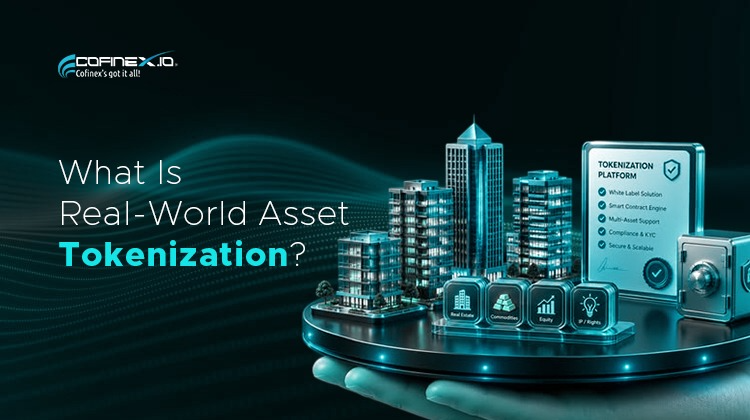
Real-World Asset tokenization is the process of representing rights related to physical or traditional financial assets as digital tokens on a blockchain.
These assets may include:
- Real estate
- Gold and precious metals
- Government bonds
- Corporate bonds
- Commodities
- Private credit
- Certain financial instruments
For example, imagine a property valued at ₹1 crore. A tokenization arrangement might divide an eligible economic interest in that property into 10,000 digital tokens.
Each token could represent a defined interest or contractual right linked to the property.
However, holding a token does not automatically mean you legally own a direct share of the physical property. The actual rights depend on the legal structure, issuer, and governing documents.
How Does RWA Tokenization Work?
RWA tokenization generally involves several stages. The exact process depends on the asset and the legal arrangement.
1. Selecting the Real-World Asset
First, an issuer or asset owner identifies the asset they want to tokenize.
For example, this could be a commercial property, a government bond, or a quantity of gold.
The asset’s ownership, valuation, documentation, and legal status should be reviewed before tokenization.
2. Establishing the Legal Structure
Next, the issuer determines what the digital tokens will represent.
They may represent direct ownership, an interest through a legal entity, a contractual claim, or exposure to an asset’s economic performance.
This stage is important because the legal structure determines what rights token holders actually receive.
3. Creating Digital Tokens
Once the structure is established, digital tokens are created using blockchain technology.
Smart contracts may define how tokens are issued, transferred, or managed.
Depending on the arrangement, the issuer may also establish rules for investor eligibility and token transfers.
4. Distribution to Investors
The tokens may then become available to eligible investors through a platform or marketplace.
Investors should review the offering documents to understand the asset, fees, ownership rights, restrictions, and associated risks.
5. Managing the Asset and Token Holders
After issuance, the underlying asset must continue to be managed according to the relevant agreement.
For example, a tokenized real estate arrangement may involve property management, rental income distribution, maintenance expenses, and reporting.
Therefore, blockchain technology does not remove the need for asset management or legal administration.
Examples of Real-World Assets That Can Be Tokenized
RWA tokenization can apply to different types of assets.
1. Real Estate
Real estate tokenization may allow an eligible property interest to be represented through digital tokens.
For example, a commercial property may be structured so that multiple investors can participate in its economic benefits.
However, token ownership does not automatically provide direct property ownership or voting rights.
2. Gold and Precious Metals
Gold-backed tokens may represent a claim to a specified quantity of gold held by a custodian.
For instance, one token may represent a defined amount of gold, depending on the issuer’s terms.
Investors should verify custody arrangements, redemption rights, and independent audits.
3. Government Bonds
Certain government securities can be represented through blockchain-based tokens.
This may allow eligible investors to access bond-related interests through digital platforms.
However, the legal ownership and payment arrangements depend on the specific issuance structure.
4. Private Credit
Private credit involves lending arrangements outside traditional public bond markets.
Tokenization may represent interests in loans or credit-related investments. However, these products can involve borrower default risk, limited liquidity, and complex legal arrangements.
Traditional Assets vs Tokenized Assets
Tokenization changes how certain asset-related rights are represented and managed. However, it does not automatically change the underlying asset’s economic or legal nature.
| Feature | Traditional asset arrangements | Tokenized asset arrangements |
|---|---|---|
| Representation | Paper records or digital financial records | Blockchain-based digital tokens |
| Ownership records | Maintained through established legal and financial systems | May use blockchain records alongside legal records |
| Transfers | Follow existing market and legal procedures | May allow blockchain-based transfers, subject to restrictions |
| Accessibility | Depends on the asset and market structure | May support fractional participation, depending on the arrangement |
| Management | Often involves traditional intermediaries | May combine traditional institutions with blockchain systems |
| Legal rights | Defined by applicable law and documentation | Also depend on applicable law and token documentation |
Importantly, blockchain records do not automatically replace legal ownership records or establish enforceable rights.
Potential Benefits of RWA Tokenization
RWA tokenization may offer several advantages when supported by appropriate legal and operational arrangements.
1. Fractional Ownership
Some tokenization structures allow an asset-related interest to be divided into smaller units.
As a result, eligible investors may participate without purchasing the entire asset.
2. Greater Accessibility
Tokenization may create additional ways to access certain asset classes. However, eligibility requirements, minimum investments, and local regulations can still restrict participation.
3. Improved Record Management
Blockchain records can provide a shared transaction history. This may support transparency and help participants track token transfers.
Nevertheless, the quality of information still depends on accurate reporting and reliable asset verification.
4. Potentially Faster Transfers
Blockchain-based systems may support faster settlement and transfer processes.
However, actual transaction speed depends on the blockchain, platform, compliance checks, and asset-specific restrictions.
5. Programmable Financial Processes
Smart contracts can automate certain activities, such as distributing payments or enforcing transfer conditions.
Even so, smart contracts cannot independently guarantee that off-chain assets exist or that contractual obligations will be fulfilled.
Risks of RWA Tokenization
Although RWA tokenization offers new possibilities, it also involves important risks.
1. Legal and Ownership Risk
A token may represent a contractual claim rather than direct ownership of an asset.
Therefore, investors should understand exactly what rights they receive and how those rights can be enforced.
2. Custody Risk
Physical assets such as gold or real estate documents may depend on custodians, asset managers, or other service providers.
If these parties fail to meet their obligations, token holders may face difficulties.
3. Liquidity Risk
A tokenized asset may not have enough buyers and sellers. Consequently, investors may struggle to sell their tokens when they want to exit.
Tokenization does not guarantee a liquid secondary market.
4. Smart Contract Risk
Smart contracts can contain vulnerabilities or coding errors. These issues may affect token transfers, payment distribution, or other functions.
5. Valuation Risk
The value of a tokenized asset depends on the underlying asset and the valuation method used.
For example, a token representing an interest in a property may not always trade at a price that accurately reflects the property’s estimated value.
6. Regulatory Risk
Rules for tokenized assets vary across countries and asset categories.
Therefore, a product available in one jurisdiction may not be legally available to investors in another.
What Should Investors Check Before Exploring RWA Tokens?
Before considering a tokenized asset, examine the following:
- Underlying asset: What physical or financial asset supports the token?
- Legal rights: Does the token represent ownership, a contractual claim, or economic exposure?
- Asset verification: Are there reliable documents or independent reports confirming the asset?
- Custody: Who holds and manages the underlying asset?
- Valuation: How is the asset valued, and how frequently is it reviewed?
- Fees: What issuance, management, transfer, and redemption fees apply?
- Liquidity: Can the token be sold, transferred, or redeemed?
- Regulatory status: Which laws and investor protections apply?
A clear understanding of these details can help investors identify the structure and risks of a tokenized asset.
Common Mistakes Beginners Should Avoid
- Assuming every RWA token provides direct ownership.
- Believing tokenization guarantees liquidity.
- Ignoring the legal documents behind an offering.
- Assuming blockchain records automatically prove physical asset ownership.
- Treating fractional ownership as risk-free investing.
- Overlooking custody, valuation, and regulatory risks.
Instead, research the asset and the legal structure before making any decision.
Frequently Asked Questions
What does RWA stand for in crypto?
RWA stands for Real-World Assets. In crypto, it refers to physical or traditional financial assets represented through blockchain-based digital tokens.
Can real estate be tokenized?
Yes. Certain real estate interests can be represented through digital tokens. However, the rights attached to those tokens depend on the legal structure and applicable property laws.
Does owning an RWA token mean owning the physical asset?
Not automatically. A token may represent direct ownership, an interest through a legal entity, a contractual claim, or economic exposure. Investors must check the relevant documents.
Is RWA tokenization safe?
There is no universal guarantee of safety. Risks can include legal uncertainty, custody failures, smart contract vulnerabilities, limited liquidity, and regulatory changes.
What is fractional ownership in RWA tokenization?
Fractional ownership refers to dividing an eligible asset interest into smaller units. This may allow multiple investors to participate in an asset, subject to the applicable legal structure.
Disclaimer: This article is for educational purposes only and does not constitute financial or investment advice. Tokenized assets involve legal, financial, technological, and regulatory risks. Always review the relevant documentation before making investment decisions.