Tag: Asset Tokenization

  • What is Real-World Asset (RWA) Tokenization? A Beginner’s Guide

    What is Real-World Asset (RWA) Tokenization? A Beginner’s Guide

    Introduction

    Blockchain technology is changing how people create, transfer, and manage digital assets. One growing area of interest is Real-World Asset (RWA) tokenization.

    Traditionally, assets such as real estate, government bonds, gold, and other financial instruments are managed through established financial systems. However, blockchain technology introduces another way to represent certain ownership interests or financial rights through digital tokens.

    This process is known as Real-World Asset (RWA) tokenization.

    It connects traditional assets with blockchain-based systems. As a result, investors and institutions can explore new ways to represent, transfer, and manage asset-related rights.

    In this lesson, you will learn what RWA tokenization means, how it works, its potential benefits, and the risks beginners should understand.

    What is Real-World Asset Tokenization?

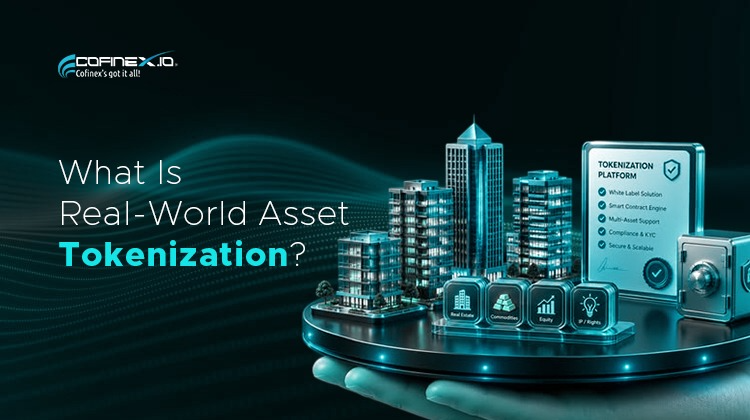
    Real-World Asset tokenization is the process of representing rights related to physical or traditional financial assets as digital tokens on a blockchain.

    These assets may include:

    • Real estate
    • Gold and precious metals
    • Government bonds
    • Corporate bonds
    • Commodities
    • Private credit
    • Certain financial instruments

    For example, imagine a property valued at ₹1 crore. A tokenization arrangement might divide an eligible economic interest in that property into 10,000 digital tokens.

    Each token could represent a defined interest or contractual right linked to the property.

    However, holding a token does not automatically mean you legally own a direct share of the physical property. The actual rights depend on the legal structure, issuer, and governing documents.

    How Does RWA Tokenization Work?

    RWA tokenization generally involves several stages. The exact process depends on the asset and the legal arrangement.

    1. Selecting the Real-World Asset

    First, an issuer or asset owner identifies the asset they want to tokenize.

    For example, this could be a commercial property, a government bond, or a quantity of gold.

    The asset’s ownership, valuation, documentation, and legal status should be reviewed before tokenization.

    2. Establishing the Legal Structure

    Next, the issuer determines what the digital tokens will represent.

    They may represent direct ownership, an interest through a legal entity, a contractual claim, or exposure to an asset’s economic performance.

    This stage is important because the legal structure determines what rights token holders actually receive.

    3. Creating Digital Tokens

    Once the structure is established, digital tokens are created using blockchain technology.

    Smart contracts may define how tokens are issued, transferred, or managed.

    Depending on the arrangement, the issuer may also establish rules for investor eligibility and token transfers.

    4. Distribution to Investors

    The tokens may then become available to eligible investors through a platform or marketplace.

    Investors should review the offering documents to understand the asset, fees, ownership rights, restrictions, and associated risks.

    5. Managing the Asset and Token Holders

    After issuance, the underlying asset must continue to be managed according to the relevant agreement.

    For example, a tokenized real estate arrangement may involve property management, rental income distribution, maintenance expenses, and reporting.

    Therefore, blockchain technology does not remove the need for asset management or legal administration.

    Examples of Real-World Assets That Can Be Tokenized

    RWA tokenization can apply to different types of assets.

    1. Real Estate

    Real estate tokenization may allow an eligible property interest to be represented through digital tokens.

    For example, a commercial property may be structured so that multiple investors can participate in its economic benefits.

    However, token ownership does not automatically provide direct property ownership or voting rights.

    2. Gold and Precious Metals

    Gold-backed tokens may represent a claim to a specified quantity of gold held by a custodian.

    For instance, one token may represent a defined amount of gold, depending on the issuer’s terms.

    Investors should verify custody arrangements, redemption rights, and independent audits.

    3. Government Bonds

    Certain government securities can be represented through blockchain-based tokens.

    This may allow eligible investors to access bond-related interests through digital platforms.

    However, the legal ownership and payment arrangements depend on the specific issuance structure.

    4. Private Credit

    Private credit involves lending arrangements outside traditional public bond markets.

    Tokenization may represent interests in loans or credit-related investments. However, these products can involve borrower default risk, limited liquidity, and complex legal arrangements.

    Traditional Assets vs Tokenized Assets

    Tokenization changes how certain asset-related rights are represented and managed. However, it does not automatically change the underlying asset’s economic or legal nature.

    FeatureTraditional asset arrangementsTokenized asset arrangements
    RepresentationPaper records or digital financial recordsBlockchain-based digital tokens
    Ownership recordsMaintained through established legal and financial systemsMay use blockchain records alongside legal records
    TransfersFollow existing market and legal proceduresMay allow blockchain-based transfers, subject to restrictions
    AccessibilityDepends on the asset and market structureMay support fractional participation, depending on the arrangement
    ManagementOften involves traditional intermediariesMay combine traditional institutions with blockchain systems
    Legal rightsDefined by applicable law and documentationAlso depend on applicable law and token documentation

    Importantly, blockchain records do not automatically replace legal ownership records or establish enforceable rights.

    Potential Benefits of RWA Tokenization

    RWA tokenization may offer several advantages when supported by appropriate legal and operational arrangements.

    1. Fractional Ownership

    Some tokenization structures allow an asset-related interest to be divided into smaller units.

    As a result, eligible investors may participate without purchasing the entire asset.

    2. Greater Accessibility

    Tokenization may create additional ways to access certain asset classes. However, eligibility requirements, minimum investments, and local regulations can still restrict participation.

    3. Improved Record Management

    Blockchain records can provide a shared transaction history. This may support transparency and help participants track token transfers.

    Nevertheless, the quality of information still depends on accurate reporting and reliable asset verification.

    4. Potentially Faster Transfers

    Blockchain-based systems may support faster settlement and transfer processes.

    However, actual transaction speed depends on the blockchain, platform, compliance checks, and asset-specific restrictions.

    5. Programmable Financial Processes

    Smart contracts can automate certain activities, such as distributing payments or enforcing transfer conditions.

    Even so, smart contracts cannot independently guarantee that off-chain assets exist or that contractual obligations will be fulfilled.

    Risks of RWA Tokenization

    Although RWA tokenization offers new possibilities, it also involves important risks.

    1. Legal and Ownership Risk

    A token may represent a contractual claim rather than direct ownership of an asset.

    Therefore, investors should understand exactly what rights they receive and how those rights can be enforced.

    2. Custody Risk

    Physical assets such as gold or real estate documents may depend on custodians, asset managers, or other service providers.

    If these parties fail to meet their obligations, token holders may face difficulties.

    3. Liquidity Risk

    A tokenized asset may not have enough buyers and sellers. Consequently, investors may struggle to sell their tokens when they want to exit.

    Tokenization does not guarantee a liquid secondary market.

    4. Smart Contract Risk

    Smart contracts can contain vulnerabilities or coding errors. These issues may affect token transfers, payment distribution, or other functions.

    5. Valuation Risk

    The value of a tokenized asset depends on the underlying asset and the valuation method used.

    For example, a token representing an interest in a property may not always trade at a price that accurately reflects the property’s estimated value.

    6. Regulatory Risk

    Rules for tokenized assets vary across countries and asset categories.

    Therefore, a product available in one jurisdiction may not be legally available to investors in another.

    What Should Investors Check Before Exploring RWA Tokens?

    Before considering a tokenized asset, examine the following:

    • Underlying asset: What physical or financial asset supports the token?
    • Legal rights: Does the token represent ownership, a contractual claim, or economic exposure?
    • Asset verification: Are there reliable documents or independent reports confirming the asset?
    • Custody: Who holds and manages the underlying asset?
    • Valuation: How is the asset valued, and how frequently is it reviewed?
    • Fees: What issuance, management, transfer, and redemption fees apply?
    • Liquidity: Can the token be sold, transferred, or redeemed?
    • Regulatory status: Which laws and investor protections apply?

    A clear understanding of these details can help investors identify the structure and risks of a tokenized asset.

    Common Mistakes Beginners Should Avoid

    • Assuming every RWA token provides direct ownership.
    • Believing tokenization guarantees liquidity.
    • Ignoring the legal documents behind an offering.
    • Assuming blockchain records automatically prove physical asset ownership.
    • Treating fractional ownership as risk-free investing.
    • Overlooking custody, valuation, and regulatory risks.

    Instead, research the asset and the legal structure before making any decision.

    Frequently Asked Questions

    What does RWA stand for in crypto?

    RWA stands for Real-World Assets. In crypto, it refers to physical or traditional financial assets represented through blockchain-based digital tokens.

    Can real estate be tokenized?

    Yes. Certain real estate interests can be represented through digital tokens. However, the rights attached to those tokens depend on the legal structure and applicable property laws.

    Does owning an RWA token mean owning the physical asset?

    Not automatically. A token may represent direct ownership, an interest through a legal entity, a contractual claim, or economic exposure. Investors must check the relevant documents.

    Is RWA tokenization safe?

    There is no universal guarantee of safety. Risks can include legal uncertainty, custody failures, smart contract vulnerabilities, limited liquidity, and regulatory changes.

    What is fractional ownership in RWA tokenization?

    Fractional ownership refers to dividing an eligible asset interest into smaller units. This may allow multiple investors to participate in an asset, subject to the applicable legal structure.

    Disclaimer: This article is for educational purposes only and does not constitute financial or investment advice. Tokenized assets involve legal, financial, technological, and regulatory risks. Always review the relevant documentation before making investment decisions.
  • What are Tokenized Stocks? Ownership, Rights, and Risks

    What are Tokenized Stocks? Ownership, Rights, and Risks

    Introduction

    Imagine being able to access a digital token linked to the value of a company’s stock. Instead of interacting only with traditional financial systems, you use a blockchain-based platform to access a tokenized investment product.

    This is the basic idea behind tokenized stocks.

    Tokenized stocks connect traditional stock-market exposure with blockchain technology. However, a blockchain token does not automatically give you direct ownership of the underlying company’s shares.

    Different products use different legal structures. Some may represent an interest in a financial asset, while others may provide price exposure through a separate arrangement.

    Therefore, before considering a tokenized stock, you should understand what the token represents, which rights it provides, and how the issuer structures the product.

    What Are Tokenized Stocks?

    Tokenized stocks are blockchain-based tokens designed to represent or provide exposure to shares of a company.

    Depending on the product, a token may represent a claim connected to an underlying share, an interest in a structured financial product, or price exposure through another arrangement.

    The term tokenized stock does not describe one universal legal structure. As a result, two products linked to the same company may provide different rights to their holders.

    For example, imagine two digital tokens linked to the stock price of Company ABC.

    • Product A represents a legally defined interest in shares held through a specified custody arrangement.
    • Product B provides price exposure through a contract with a platform or issuer.

    Both products may track the company’s stock price. However, their legal rights, counterparty risks, and protections can differ significantly.

    This is why you should examine the product’s official documentation instead of relying on its name alone.

    How Do Tokenized Stocks Work?

    Tokenized stock products generally combine financial arrangements with blockchain technology.

    Here is a simplified explanation of how the process may work.

    1. A Product Establishes Its Legal Structure

    First, the issuer defines what the token represents.

    For example, the product may connect tokens to underlying shares, provide a contractual claim, or use another financial structure. The specific arrangement determines the rights of token holders.

    2. The Issuer Creates the Tokens

    The issuer or its service provider creates tokens on a supported blockchain.

    Smart contracts may help manage token issuance, transfers, and other functions according to the product’s rules.

    However, a smart contract does not independently establish legal ownership of company shares. The applicable agreements and laws determine those rights.

    3. Investors Obtain the Tokens

    Eligible investors may acquire tokens through a supported platform or distribution channel.

    Depending on the product, investors may need to complete identity verification and meet residency, financial, or other eligibility requirements.

    Therefore, blockchain access does not automatically make every tokenized stock available to everyone.

    4. The Product Tracks or Represents Stock Exposure

    The token may reflect the value of an underlying share or another financial arrangement.

    However, tracking accuracy, fees, trading availability, and redemption conditions depend on the product.

    As a result, the token’s market price may differ from the underlying stock price.

    Do Tokenized Stocks Give You Direct Ownership?

    Not necessarily.

    This is one of the most important concepts to understand before exploring tokenized stocks.

    When you buy a traditional share, your ownership rights depend on the share, the applicable law, and the way the investment is held and recorded.

    A tokenized product may work differently. Holding a token does not automatically make you a shareholder in the underlying company.

    Depending on the legal structure, you may receive some rights associated with an underlying asset, a contractual claim against an issuer, or only exposure to price movements.

    What Rights Might Token Holders Have?

    The rights depend on the product’s legal documents. They may include some of the following:

    Economic exposure: The token may reflect changes in the underlying stock price, subject to the product’s structure and terms.

    Dividend-related payments: Some products may pass through dividend-related amounts or make equivalent payments. Others may not provide these benefits.

    Voting rights: Token holders may not have voting rights in the underlying company. If the product offers such rights, the official documents should explain how they work.

    Redemption or transfer rights: Some products may allow holders to redeem or transfer tokens under specified conditions. Others may impose restrictions or depend on particular service providers.

    Legal claims: The agreements determine whether holders have a claim against the issuer, an interest in underlying assets, or another form of entitlement.

    Consequently, never assume that a token provides every right associated with a traditional share.

    Tokenized Stocks vs Traditional Stocks

    Although both products may provide exposure to a company’s stock, they can differ in important ways.

    FeatureTraditional stocksTokenized stock products
    OwnershipShareholders hold rights associated with their sharesRights depend on the token’s legal structure
    RecordkeepingUses established securities-market systemsUses blockchain records alongside relevant legal and financial systems
    Voting rightsDepend on the share class and applicable rulesMay be absent or limited, depending on the product
    DividendsEligible shareholders may receive dividendsPayments depend on the product’s terms
    Trading accessDepends on the exchange, broker, and market rulesDepends on the platform, blockchain, issuer, and eligibility rules
    RisksMarket, custody, and other investment risksMay include market risks plus additional issuer, platform, blockchain, or legal risks

    These are general distinctions. Actual features depend on the specific product and jurisdiction.

    What Are the Potential Benefits of Tokenized Stocks?

    Tokenization may offer several potential benefits, depending on how a product operates.

    1. Blockchain-Based Transfers

    Some tokenized products allow transfers through supported blockchain networks. This can provide a digital method for recording and processing eligible transactions.

    However, issuers and platforms may restrict transfers to approved wallets or eligible participants.

    2. Integration With Digital Financial Systems

    A tokenized product may connect with blockchain-based applications and services where the issuer permits such use.

    Nevertheless, not every token can be used in decentralised finance applications. Product terms and technical restrictions may prevent certain activities.

    3. New Ways to Access Financial Exposure

    Tokenized products may create additional ways to obtain exposure to traditional financial assets.

    However, availability depends on local regulations, platform rules, and investor eligibility. Tokenization does not guarantee lower costs or broader access.

    What Risks Should You Understand?

    Tokenized stocks can involve risks beyond changes in the underlying stock price.

    Issuer risk: If the issuer fails to meet its obligations, token holders may face financial losses or difficulties enforcing their claims.

    Custody risk: If a product relies on a custodian to hold underlying shares, the custody arrangement and applicable protections matter.

    Platform risk: A platform may experience operational problems, restrict withdrawals, or stop providing services.

    Blockchain risk: Network disruptions, smart-contract vulnerabilities, or wallet errors may affect token transfers.

    Liquidity risk: You may not always find a buyer or be able to sell or redeem a token when you want.

    Legal risk: The rights associated with a token may depend on contractual terms and laws that vary across jurisdictions.

    Price-tracking risk: A token may not follow the underlying stock price exactly because of fees, market conditions, or the product’s design.

    Therefore, review both the investment exposure and the legal structure before considering a tokenized stock.

    How to Evaluate a Tokenized Stock

    Before acquiring a tokenized stock product, ask these questions:

    1. What does the token represent? Confirm whether it represents ownership, a contractual claim, or price exposure.
    2. Who issues the product? Research the issuer and the entities responsible for custody and administration.
    3. Do holders receive shareholder rights? Check voting rights, dividend arrangements, and other entitlements.
    4. How can you sell or redeem it? Understand the transfer restrictions, redemption process, and available markets.
    5. What fees apply? Review issuance, trading, custody, redemption, and other charges.
    6. Which rules apply? Confirm the product’s legal status and whether you qualify to invest in your jurisdiction.
    7. What happens if a provider fails? Understand the arrangements for custody, insolvency, and dispute resolution.

    Most importantly, read the official product documents. A marketing description alone may not explain all the rights and risks.

    Common Beginner Mistakes

    Assuming a token equals a share: A token linked to a stock may not provide direct ownership.

    Expecting automatic voting rights: Voting rights depend on the legal structure and product terms.

    Assuming every token pays dividends: Payment arrangements vary by product.

    Ignoring the issuer: The issuer’s obligations and financial position may affect the risks you face.

    Confusing blockchain transparency with legal protection: A public blockchain may record transactions, but it does not automatically guarantee investor protection or enforce legal claims.

    Assuming all products are available worldwide: Eligibility and regulatory requirements may restrict access.

    FAQs

    What is a tokenized stock in simple words?

    A tokenized stock is a blockchain-based token designed to represent or provide exposure to a company’s shares. Its exact rights depend on the product’s legal structure.

    Do tokenized stocks provide shareholder rights?

    Not automatically. Some products may provide specific rights, while others offer only contractual or price exposure. Check the official documents to understand what you receive.

    Do tokenized stocks pay dividends?

    Some products may distribute dividend-related payments, while others may not. The issuer’s terms determine how these payments work.

    Are tokenized stocks safer than traditional stocks?

    Not necessarily. Tokenized products may involve additional issuer, platform, custody, blockchain, and legal risks. Their safety depends on the specific product and its structure.

    Can tokenized stocks be traded 24/7?

    Some tokenized products may support trading outside traditional stock-market hours. However, availability depends on the platform, liquidity, product rules, and relevant restrictions. Trading outside regular hours does not guarantee continuous liquidity.

    Are tokenized stocks the same as tokenized real estate?

    No. Both fall within the broader real-world asset tokenization category, but they represent different underlying assets and may have different legal structures, rights, and risks.

    Disclaimer

    This article is for educational purposes only and does not provide financial, investment, or legal advice. Tokenized stock products differ in structure, rights, availability, and risk. Always review official documentation and applicable regulations before making an investment decision.