Tag: Stop-Limit Order

  • What is a Stop-Limit Order? A Beginner’s Guide to Crypto Trading

    What is a Stop-Limit Order? A Beginner’s Guide to Crypto Trading

    What is a Stop-Limit Order?

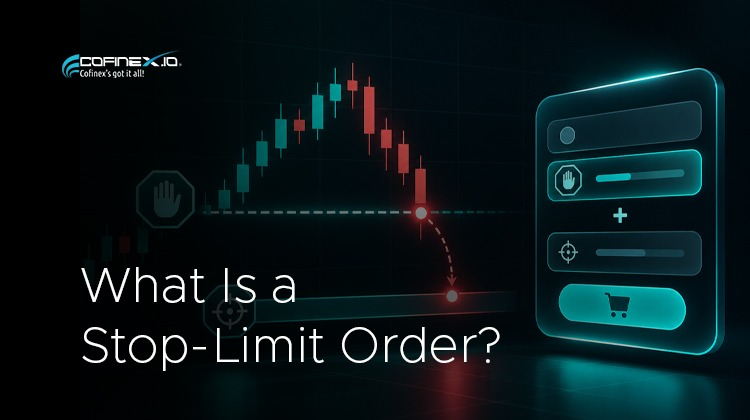
    A stop-limit order is a type of trading order that combines two instructions:

    • Stop price: The price that triggers the limit order.
    • Limit price: The price at which you are willing to buy or sell, or a better price.

    Once the market reaches the stop price, the exchange places a limit order in the order book.

    However, the trade will execute only if a matching buyer or seller is available at the limit price or a better price.

    In simple terms, a stop-limit order helps traders decide when an order should become active and what price they are willing to accept.

    How does a Stop-Limit Order Work?

    Let’s understand the process with an example.

    Suppose Bitcoin is currently trading at ₹80,00,000. You own some Bitcoin and want to sell if its price starts falling.

    You set the following values:

    Order detailPrice
    Current Bitcoin price₹80,00,000
    Stop price₹78,00,000
    Limit price₹77,50,000

    Here’s what happens:

    Step 1: You place the order

    You enter a stop price of ₹78,00,000 and a limit price of ₹77,50,000.

    Step 2: The market reaches the stop price

    When Bitcoin reaches ₹78,00,000, the stop condition activates.

    Step 3: The limit order enters the order book

    The exchange places your sell limit order at ₹77,50,000.

    Step 4: The order may execute

    If buyers are available at ₹77,50,000 or higher, your order can execute.

    However, if the price drops quickly below ₹77,50,000 and no buyer is available at your limit price, your order may remain unfilled.

    The important difference: The stop price activates the order, but the limit price controls the acceptable execution price.

    What are the Two Types of Stop-Limit Orders?

    Traders generally use stop-limit orders in two ways.

    1. Sell Stop-Limit Order

    A sell stop-limit order helps traders prepare to sell an asset if its price falls to a specified level.

    For example:

    • Current price: ₹80,00,000
    • Stop price: ₹78,00,000
    • Limit price: ₹77,50,000

    When Bitcoin reaches the stop price, the exchange places a sell limit order.

    Traders may use this approach to manage downside risk. However, the order may not execute if the market moves below the limit price too quickly.

    2. Buy Stop-Limit Order

    A buy stop-limit order allows traders to prepare a purchase when the price rises to a specified level.

    For example:

    • Current price: ₹80,00,000
    • Stop price: ₹82,00,000
    • Limit price: ₹82,50,000

    When Bitcoin reaches ₹82,00,000, the exchange places a buy limit order at ₹82,50,000.

    The order can execute at ₹82,50,000 or lower, provided a matching seller is available.

    Traders may use this type of order when they want to enter a position after the market crosses a particular price level.

    Stop-Limit Order vs Stop-Market Order

    Although both orders use a stop price, they work differently after the stop condition activates.

    FeatureStop-Limit OrderStop-Market Order
    TriggerStop priceStop price
    Order placed after triggerLimit orderMarket order
    Price controlYesNo fixed execution price
    Execution guaranteeNoGenerally aims for immediate execution, subject to liquidity and platform rules
    Main riskOrder may remain unfilledExecution may happen at an unfavourable price

    For example, imagine Bitcoin falls sharply after reaching your stop price.

    • With a stop-limit order, your order may remain open if the market moves beyond your limit price.
    • With a stop-market order, the exchange generally attempts to execute the order at the available market price.

    Therefore, a stop-limit order prioritises price control, while a stop-market order prioritises execution.

    What is the Difference Between a Stop-Limit Order and a Regular Limit Order?

    Both orders involve a limit price, but they serve different purposes.

    Regular Limit OrderStop-Limit Order
    Places a limit order directly in the order bookWaits for a stop price to trigger a limit order
    Does not require a separate trigger priceRequires a stop price and a limit price
    Used to buy or sell at a chosen price or betterUsed when a specific market condition should activate the order

    For example, if Bitcoin is trading at ₹80,00,000 and you want to buy at ₹78,00,000, you can place a regular buy limit order.

    However, if you want to buy only after Bitcoin rises to ₹82,00,000, you can use a buy stop-limit order with a suitable stop and limit price.

    Advantages of Using a Stop-Limit Order

    A stop-limit order offers several benefits when used correctly.

    1. Better price control

    You decide the price at which you are willing to buy or sell.

    2. Helps manage trading risk

    You can prepare an exit order in advance instead of reacting manually to every market movement.

    3. Reduces the need for constant monitoring

    Once placed, the order can activate when the specified stop condition is met, subject to the exchange’s order rules.

    4. Supports planned trading strategies

    Traders can use stop-limit orders to plan entries and exits around specific price levels.

    Risks and Limitations of Stop-Limit Orders

    Despite these advantages, stop-limit orders are not perfect.

    1. The order may not execute

    This is the biggest limitation. If the market moves beyond your limit price, the order may remain unfilled.

    2. Fast market movements can create problems

    During sudden price changes, the market may move through both the stop and limit prices before a suitable buyer or seller becomes available.

    3. It does not guarantee a loss limit

    A stop-limit order can help manage risk, but it cannot guarantee that you will sell at your intended price.

    4. Order settings can vary across exchanges

    Some platforms have different trigger-price rules, order conditions, and execution policies. Always check how your exchange handles stop-limit orders before placing one.

    Common Mistakes to Avoid

    Beginners should pay attention to these common mistakes:

    • Confusing the stop price with the limit price.
    • Setting the stop and limit prices without considering market volatility.
    • Assuming that the order will always execute after reaching the stop price.
    • Forgetting to check whether the order is still open or partially filled.
    • Using stop-limit orders without understanding the exchange’s trigger rules.

    Remember, placing an order is only one part of a trading plan. You should also understand your position size, risk tolerance, and exit strategy.

    Frequently Asked Questions (FAQs)

    1. What is a stop-limit order in crypto trading?

    A stop-limit order is a trading instruction that activates a limit order when the market reaches a specified stop price. The trade executes only if a matching order is available at the limit price or better.

    2. What is the difference between a stop price and a limit price?

    The stop price triggers the order. The limit price sets the price at which you are willing to buy or sell.

    3. Can a stop-limit order fail to execute?

    Yes. If the market moves beyond your limit price and no matching order is available, your order may remain unfilled.

    4. Is a stop-limit order the same as a stop-loss order?

    Not exactly. A stop-loss describes the purpose of an order: limiting potential losses. A stop-limit order is one way to place such an exit instruction. A stop-market order is another common approach.

    5. When should traders use a stop-limit order?

    Traders may use it when they want an order to activate at a particular price but also want control over the minimum selling price or maximum buying price.

    Disclaimer: This article is for educational purposes only and does not constitute financial or investment advice. Cryptocurrency trading involves risk. Always understand the order conditions and potential limitations before placing a trade.
  • What is a Stop-Loss Order?

    Introduction

    Crypto prices can change quickly. A cryptocurrency that trades at ₹1,000 today may fall sharply within a short period. For traders, these movements can create opportunities, but they can also lead to unexpected losses.

    So, how can traders plan for a situation where the market moves against them?

    One tool they can use is a stop-loss order.

    A stop-loss order helps traders manage risk by triggering an order when the market reaches a specified price. However, it does not guarantee that the trade will close at exactly that price.

    In this lesson, we will explain how stop-loss orders work, explore a simple example, and discuss the mistakes beginners should avoid.

    What Is a Stop-Loss Order?

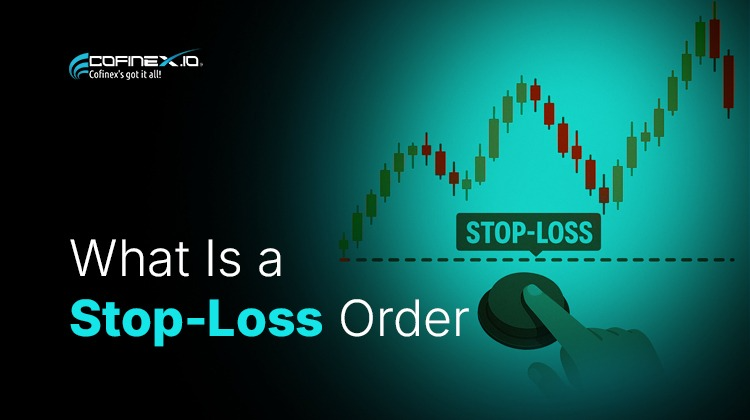
    A stop-loss order is a trading instruction designed to help limit potential losses on a position.

    A trader sets a stop price. If the market reaches that price, the exchange activates the order according to its rules.

    For example, imagine you buy Bitcoin at ₹10,00,000 per unit for illustration purposes. You decide that you want to exit the trade if the price falls to ₹9,50,000.

    You can set a stop-loss at ₹9,50,000.

    If the relevant price reaches that level, the order is triggered. Depending on the order type and market conditions, the final selling price may be different from the stop price.

    In simple terms, a stop-loss helps you plan an exit before a trade moves further against you.

    How Does a Stop-Loss Order Work?

    A typical stop-loss process has three main steps.

    1. Enter a trade: You buy or sell a cryptocurrency.
    2. Set a stop price: You choose the price at which you want the exit process to begin.
    3. Order triggers: If the market reaches the trigger level, the exchange activates the specified order.

    The exact process depends on the exchange and the order type you select.

    For example, some platforms offer stop-market orders, while others also offer stop-limit orders. These options work differently, so beginners should understand the available settings before placing an order.

    A Simple Stop-Loss Example

    Imagine you buy a cryptocurrency at ₹1,000 per coin.

    You set a stop price at ₹950 because you want to limit the loss if the price moves downward.

    Illustrative trade setup

    Entry price

    ₹1,000

    Stop price

    ₹950

    Planned price difference: ₹50 per coin

    A 5% decline from the entry price, before fees and slippage.

    If the order executes at ₹950, the price difference is ₹50 per coin. However, the actual loss may be larger if the order executes below ₹950.

    Likewise, if the market price rises instead, the stop-loss may never trigger.

    This example assumes a long position where you buy first and plan to sell later.

    What Are the Different Types of Stop-Loss Orders?

    Two common types are stop-market and stop-limit orders.

    1. Stop-Market Order

    A stop-market order triggers a market order when the stop price is reached.

    Once triggered, the order generally seeks execution at the best available market prices.

    Advantage: It prioritizes execution after the trigger.

    Limitation: The final execution price is not guaranteed. In a fast-moving market, the trade may execute below the stop price for a sell order.

    2. Stop-Limit Order

    A stop-limit order uses two prices:

    • Stop price: Activates the order.
    • Limit price: Sets the minimum acceptable selling price for a sell limit order.

    For example, you set a stop price of ₹950 and a limit price of ₹945.

    When the stop price is reached, the exchange places a limit order at the specified price. However, the order may remain unfilled if buyers are not available at an acceptable price.

    Advantage: It provides more control over the minimum selling price.

    Limitation: It does not guarantee execution.

    The choice depends on whether your priority is execution or price control, along with the exchange’s available order features.

    Stop-Market vs Stop-Limit

    FeatureStop-MarketStop-Limit
    Trigger priceYesYes
    Execution type after triggerMarket orderLimit order
    Price guaranteeNoLimit price constrains execution
    Execution guaranteeNot absoluteNo
    Main concernSlippageOrder may remain unfilled

    Remember that exchanges can use different names and trigger rules. Always check the order details on your trading platform.

    How Do You Choose a Stop-Loss Price?

    There is no single stop-loss level that works for every trade.

    Instead, traders may consider several factors.

    Market volatility: A highly volatile asset can move sharply within a short period.

    Trading strategy: A short-term trade may use different exit rules from a longer-term position.

    Price levels: Some traders study support levels or other technical indicators when planning an exit.

    Risk tolerance: The potential loss should fit the trader’s overall risk plan.

    However, setting a stop-loss too close to the entry price can cause an exit during ordinary market fluctuations. Setting it too far away can expose the trader to a larger loss.

    Therefore, traders should plan the stop level alongside their position size, rather than choosing a price randomly.

    Can a Stop-Loss Order Guarantee That You Won’t Lose More?

    No. A stop-loss is a risk-management tool, not a guarantee against losses.

    Several situations can affect the final result:

    • Slippage: The order executes at a different price from the expected level.
    • Price gaps or rapid moves: The market moves past the stop price before execution.
    • Low liquidity: There may not be enough buyers or sellers near the desired price.
    • Stop-limit non-execution: The market does not reach the limit price needed to fill the order.
    • Platform-specific rules: Trigger prices and order handling can vary between exchanges.

    For this reason, traders should understand both the benefits and the limitations of stop-loss orders.

    Common Stop-Loss Mistakes Beginners Make

    Setting a Stop Price Without a Plan

    A stop-loss should fit the trading strategy and the amount of risk the trader is prepared to accept.

    Assuming the Stop Price Is the Final Price

    A trigger price and an execution price are not always the same.

    Ignoring Position Size

    Even with a stop-loss, a large position can create a substantial loss.

    Using Stop-Limit Orders Without Understanding Them

    A stop-limit order may not execute when the market moves quickly.

    Moving the Stop-Loss Out of Fear

    Repeatedly moving a stop farther away can undermine the original risk plan.

    Forgetting Fees

    Trading fees and slippage can increase the final cost of a trade.

    How Does a Stop-Loss Fit Into Risk Management?

    A stop-loss works best as part of a broader trading plan.

    Before entering a trade, a trader can decide:

    1. The planned entry price.
    2. The price level where the trade idea no longer makes sense.
    3. The position size.
    4. The potential loss if the exit executes.
    5. The potential reward relative to that risk.

    For example, if a trader plans a ₹50 price risk per coin, the number of coins they buy will influence the total potential loss.

    This is why position sizing and stop-loss planning should work together.

    Even so, the actual loss can differ from the estimate because execution is not always guaranteed at the stop price.

    FAQs

    Is a stop-loss order necessary for every crypto trade?

    Not every strategy uses a stop-loss order, but traders should have a clear plan for managing risk and exiting a position.

    Can a stop-loss trigger during a sudden price drop?

    Yes. If the relevant trigger condition is met, the order may activate. However, the final execution depends on the order type and market conditions.

    What is the difference between a stop-loss and a limit order?

    A stop-loss is designed to trigger an exit when a specified condition is met. A limit order sets a price at which a trader is willing to buy or sell. A stop-limit order combines a trigger with a limit price.

    Can I use a stop-loss when trading crypto futures?

    Many crypto futures platforms offer stop-loss features. However, futures involve additional risks, including leverage and liquidation. Traders should understand the platform’s rules before using them.

    Does a stop-loss guarantee that I will lose only the amount I planned?

    No. Slippage and rapid market movements can result in a larger loss than expected. A stop-limit order may also fail to execute.

    Disclaimer

    This article is for educational purposes only and does not provide financial or investment advice. Cryptocurrency trading involves significant risk, and losses can exceed initial estimates. Always understand your exchange’s order rules before placing a trade.